Old Worlds and New
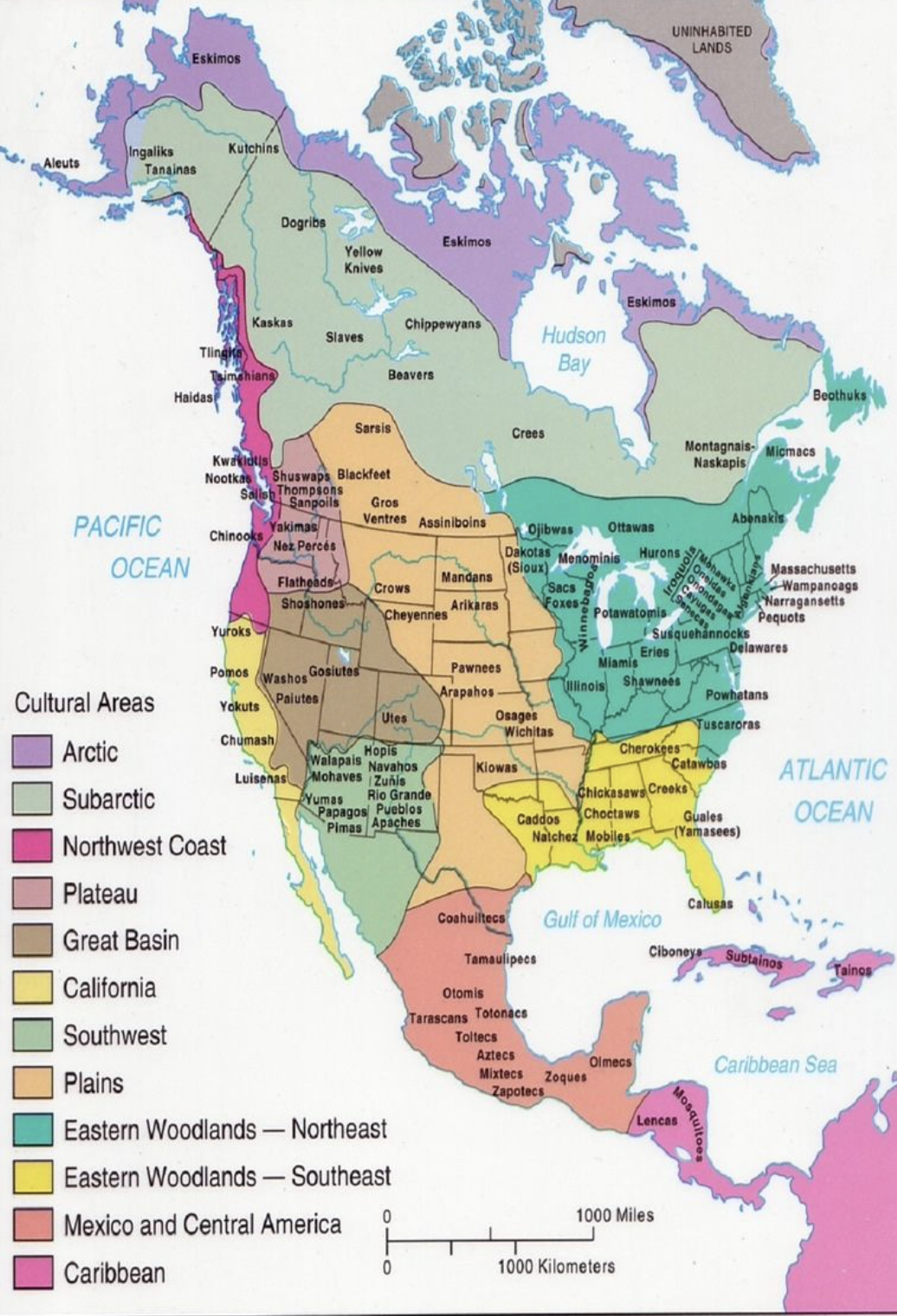
1. What were the major patterns of Native American life in North America before Europeans arrived?
2. What impelled European explorers to look west across the Atlantic?
3. What happened when the peoples of the Americas came in contact with Europeans?
4. What were the chief features of the Spanish empire in the Americas?
5. What were the chief features of the French and Dutch empires in North America?
How has the idea of The American Dream influenced the lives of Americans and how has its definition changed over time?
How have various groups attempted to Access Their Rights and how have they been Opposed?
How is Power acquired and what measures does it take to Protect Itself?
How does the drive to acquire Wealth influence America?
How have the Costs of War affected the development of America?
Where does the drive for Expansion come from and what is its impact on America and the rest of the world?
How have citizens affected the growth and change of Political Parties and Government?
How has the rise of Mass Media influenced and transformed Culture? (US 10)
How have advances in Technology impacted the development of the country and the American people?
How does [the content] change or reinforce how you see your values and decisions in your role as a citizen?
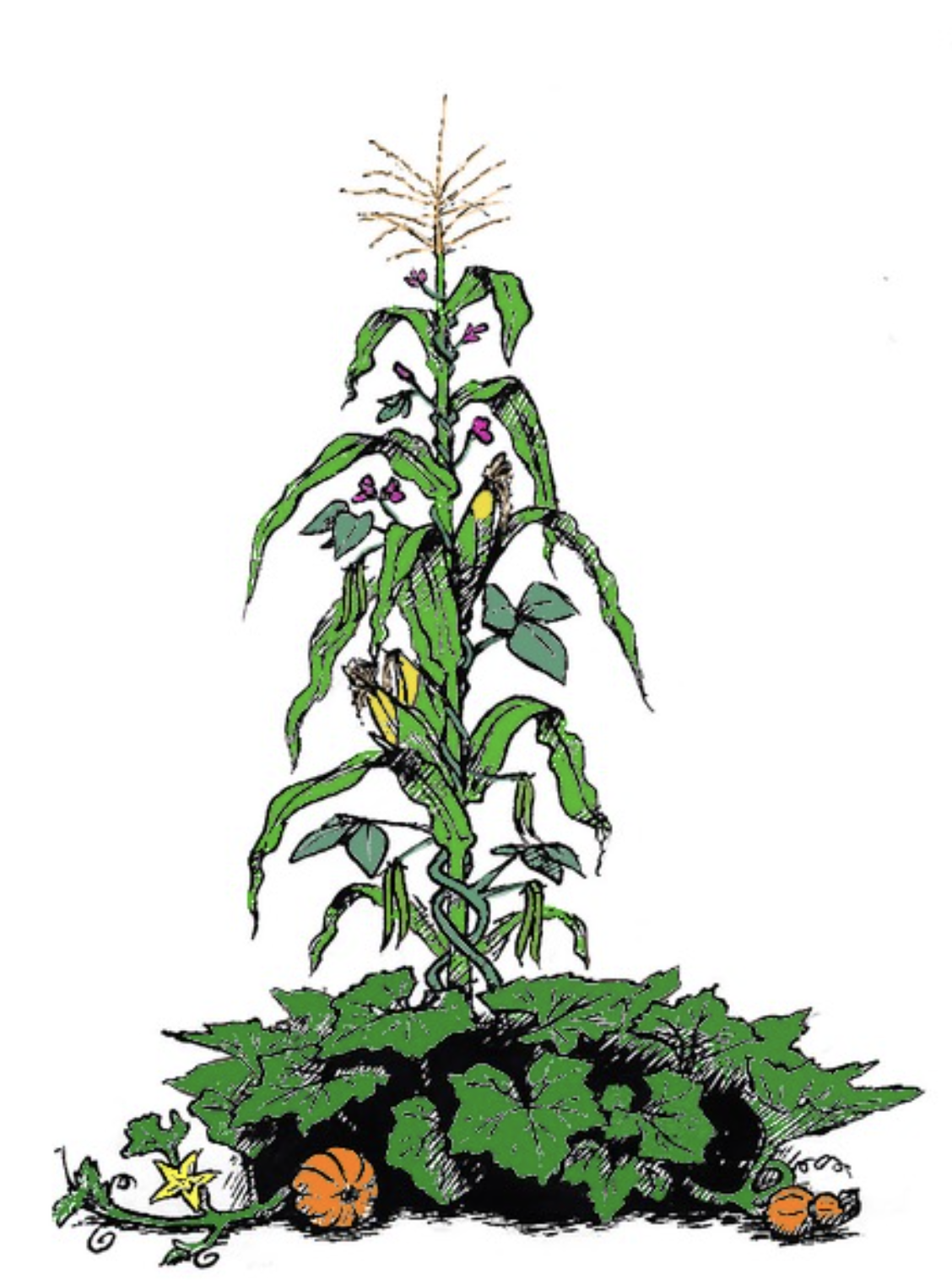
Indigenous Americans achieved Agriculture several thousand years ago . Upon its development large Indigenous civilizations would begin to appear. The most important crops to these early civilizations were corns, beans and squash.
"Three Sisters"
Agriculture @ Wikipedia
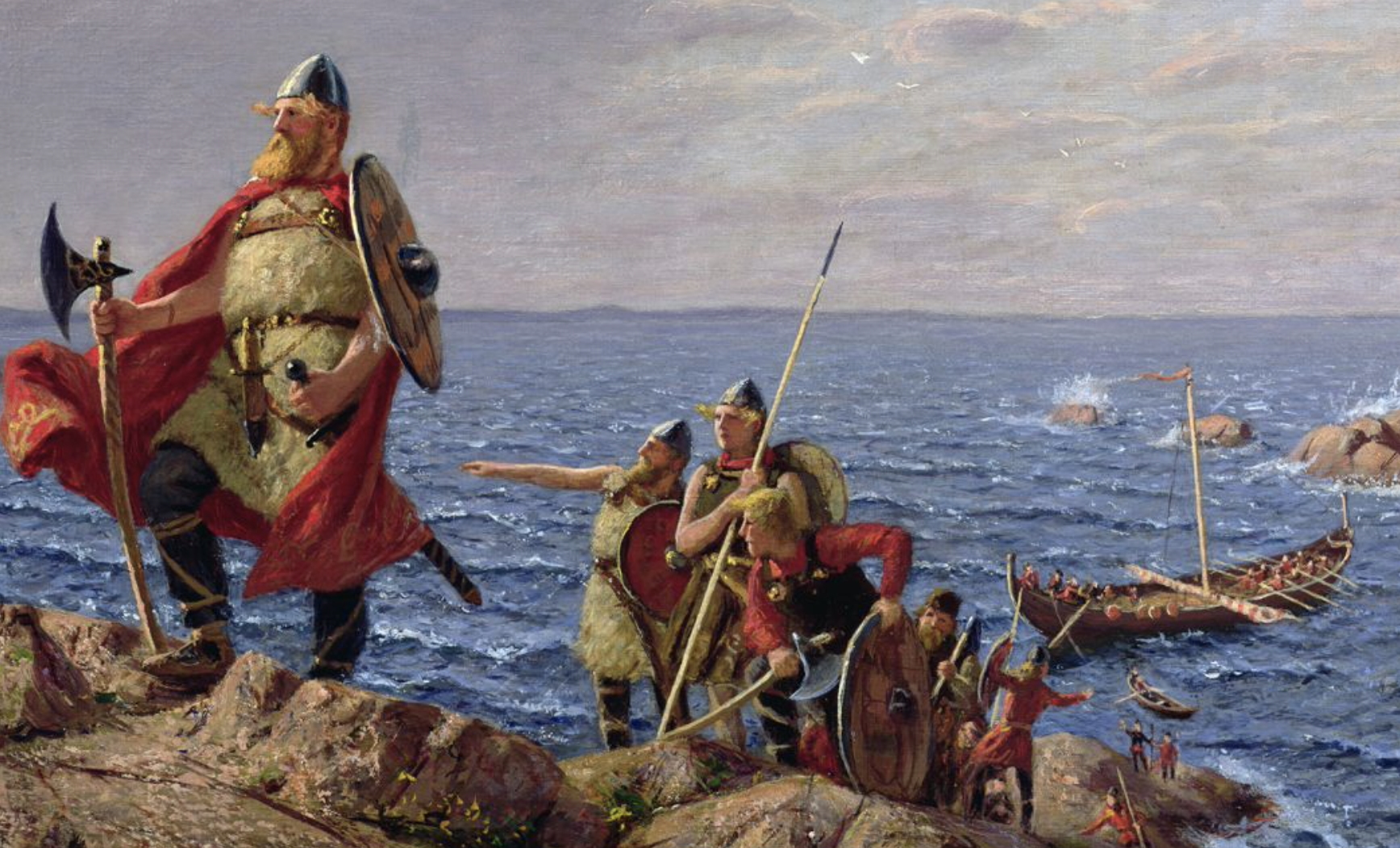
Norsemen from Scandanavia crossed the North Atlantic and created settlements in Iceland and Greenland by the year 1000 A.D. From there, Leif Erikson sailed further west and established a short lived settlement in Newfoundland.
Skraelings
Thorvald Erikson
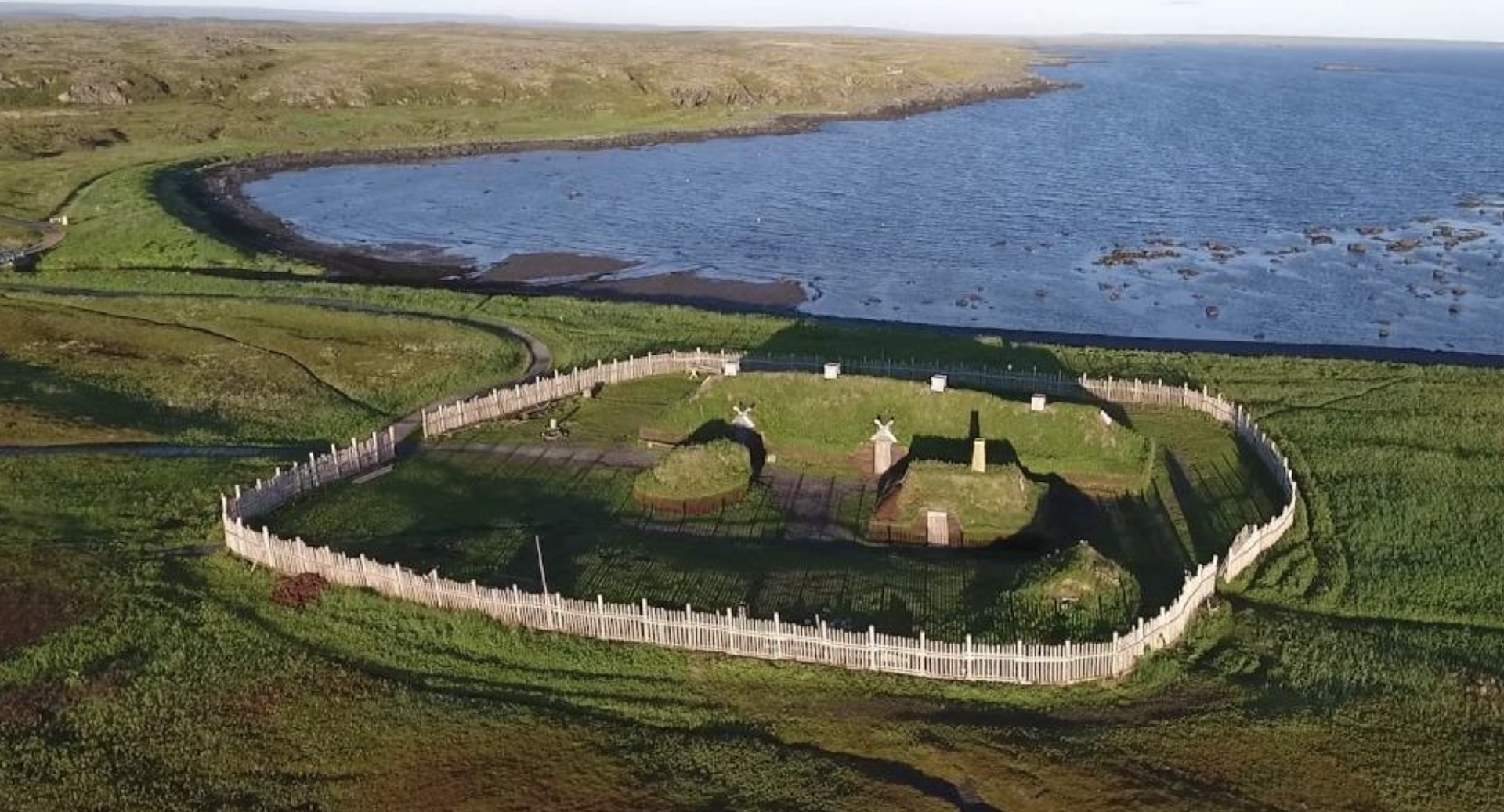
The Crusades linked Europe and Asia. The resulting transfer of knowledge and goods sparked the European Rennaissance. Trade generates large accumulations of wealth and Europeans compete against each other for power.
Crusades
Renaissance
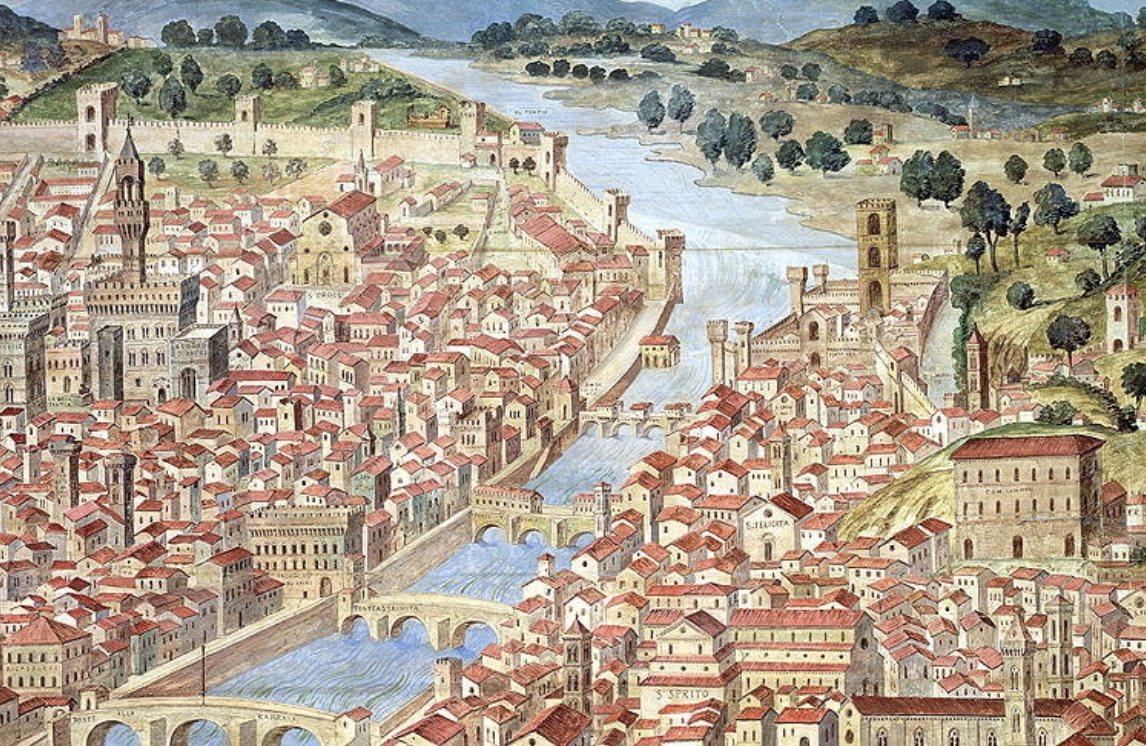
A Series of Militray conflicts 1337-1453. Conflict forces nations to invest in the military and Navy.
100 Year War
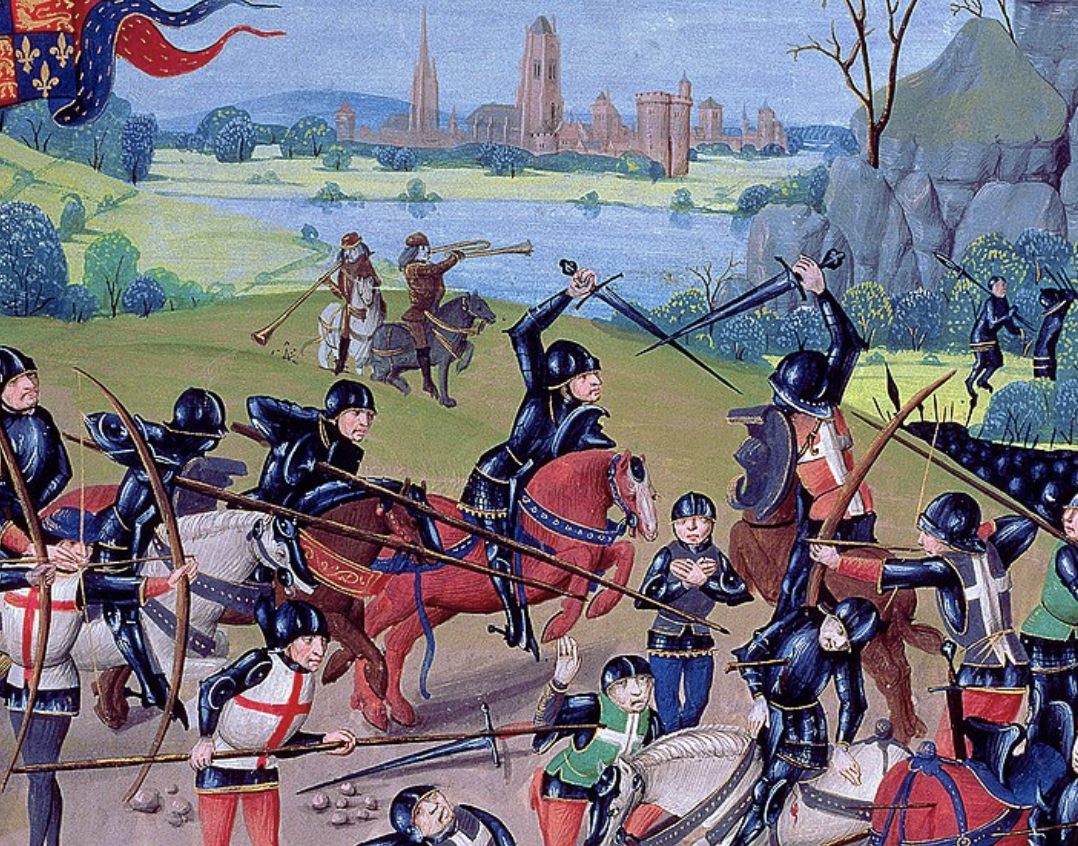
Cinnamon, cassia, cardamom, ginger, pepper, and turmericgrowing European demand led to inflated prices, Italians create European monopoly.
The Spice Trade

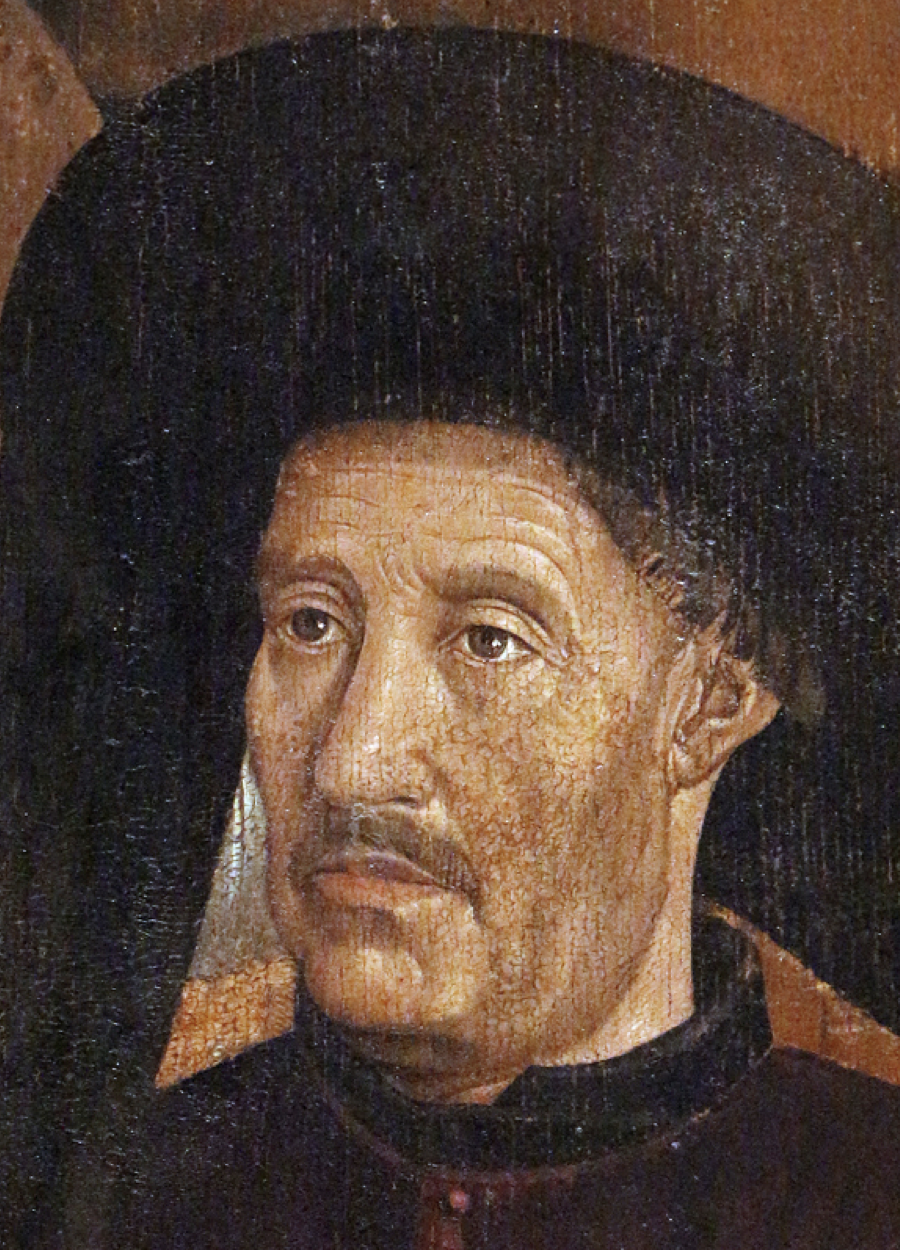
Portugal takes the lead in exploration. Under Henry's leadership, the Portuguese establish a route to Asia around Africa as well as develop important navigational and maritime technological breakthroughs.
Prince Henry the Navigator
Astrolabe
Caravel
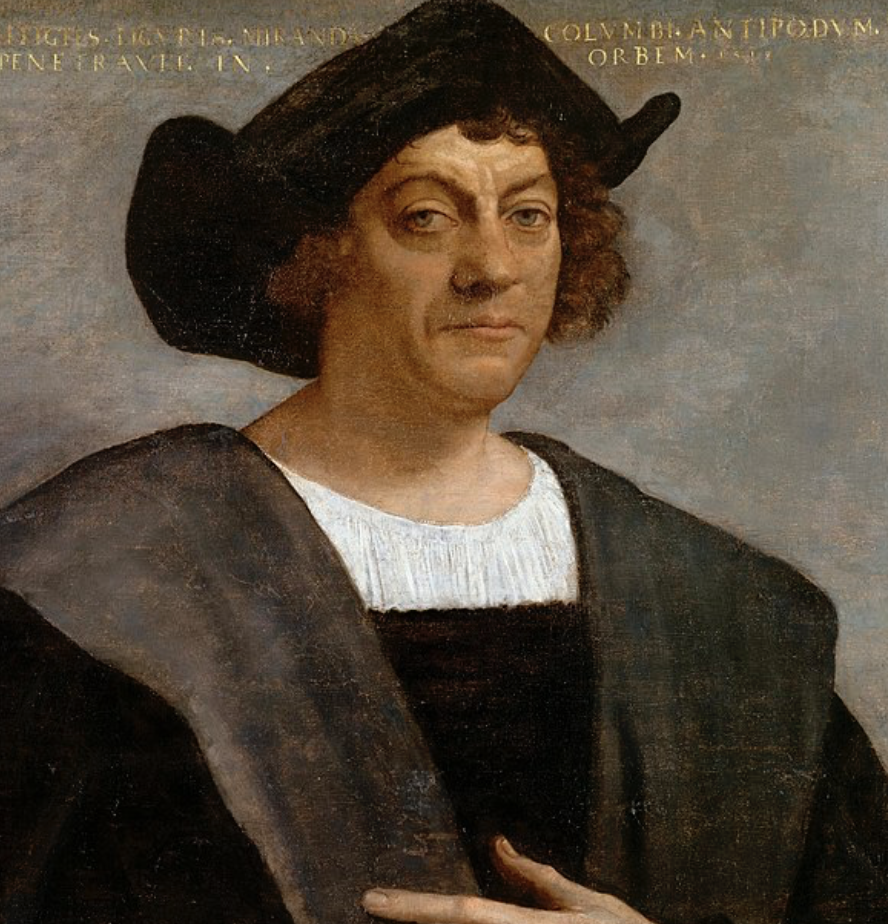
Christopher Columbus convinced the Spanish monarchs to invest in a trip westward to Asia. Learned people understand the world was round, but questions remained about the distance to Asia.
Christoper Columbus
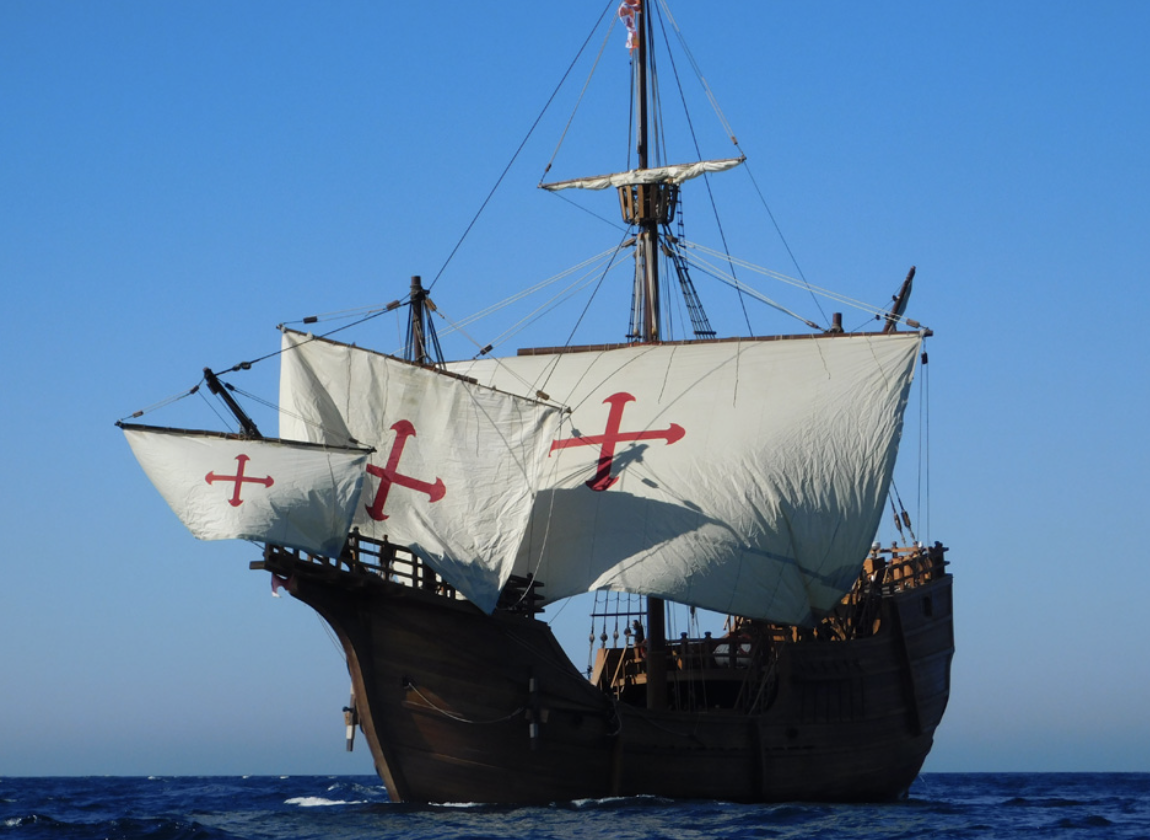
Sailing westward, Columbus arrived in the Bahamas on October 12th, 1492.
Google Map
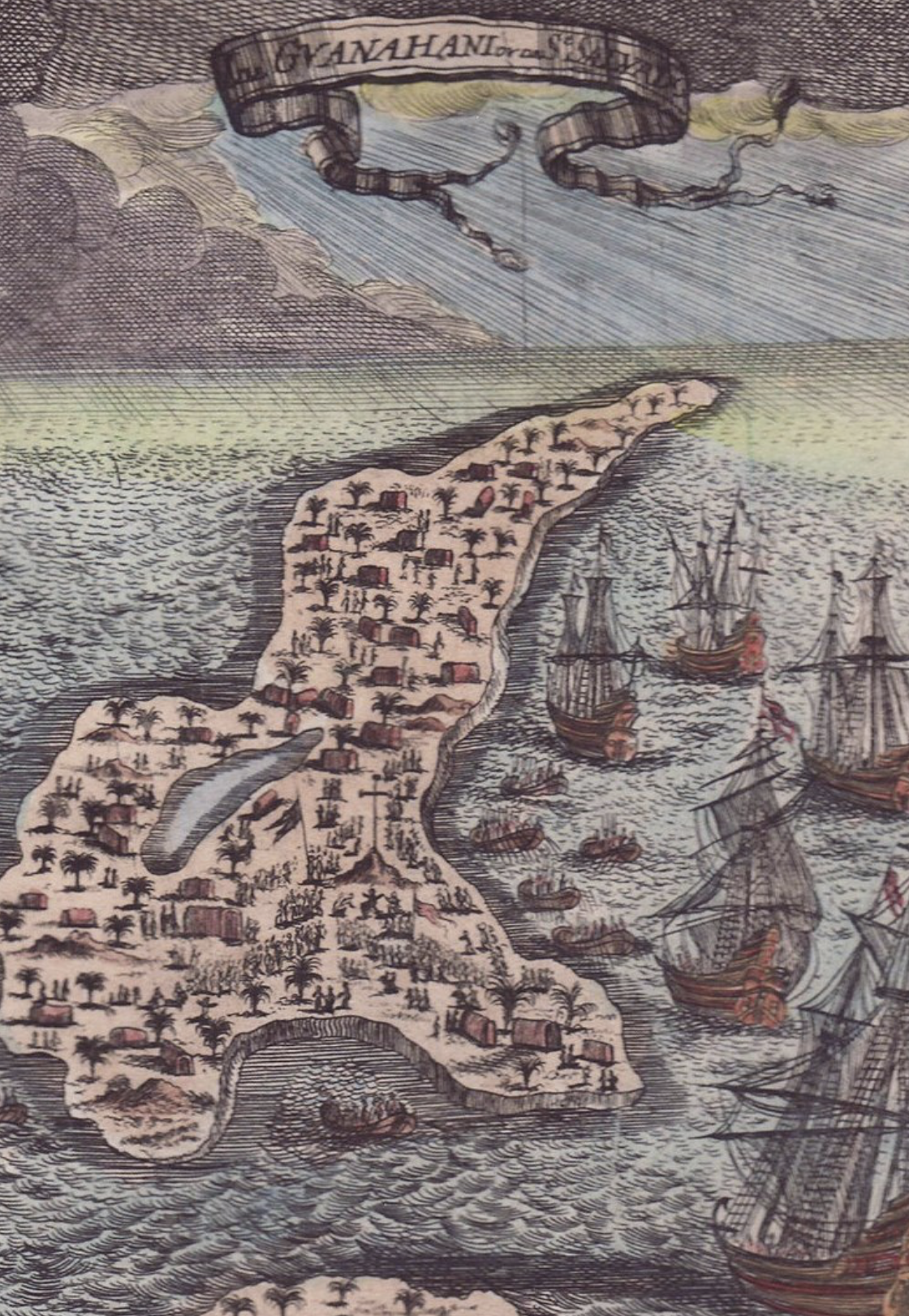
Columbus landed on the island of Guanahani. He misidentified the Arawak people and found no riches that he expected to find in Asia. However the native Arawak people wore small ornaments of Gold. Columbus left 39 soldiers behind to discover ther source of gold and to secure it. After his return to Spain, Coumbus was celebrated as a hero and was soon outfitted for a second voage with seventeen ships and over one thousand men
The Arawak
Guahani
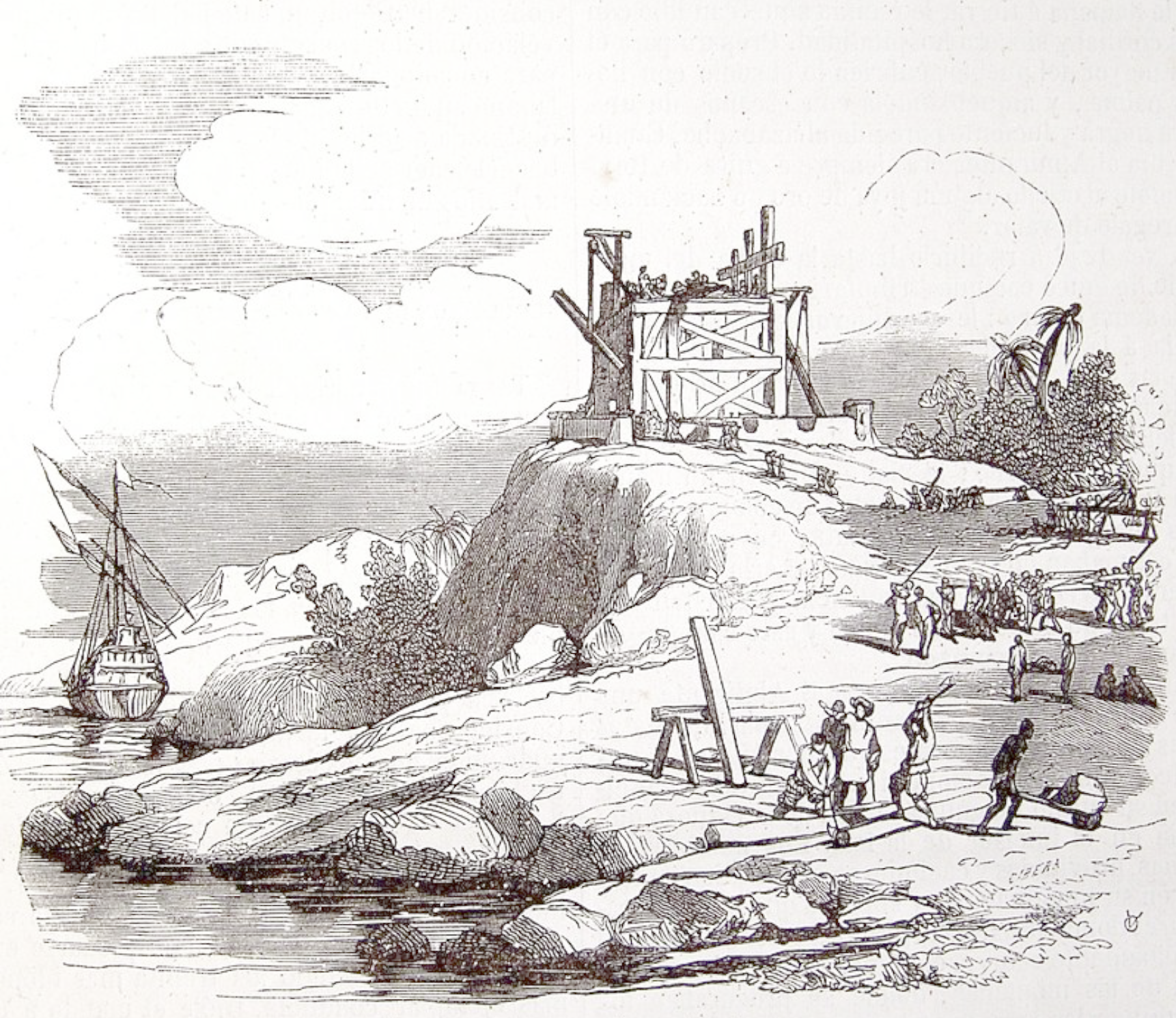
La Navidad ("The Nativity", i.e. Christmas) was a fort that Christopher Columbus and his crew established on the northeast coast of Haiti (near what is now Caracol, Nord-Est Department, Haiti) in 1492 from the remains of the Spanish ship the Santa María. La Navidad was the first European colony established in the New World during the Age of Discovery, although it was destroyed by the native Taíno people by the following year
La Navidad
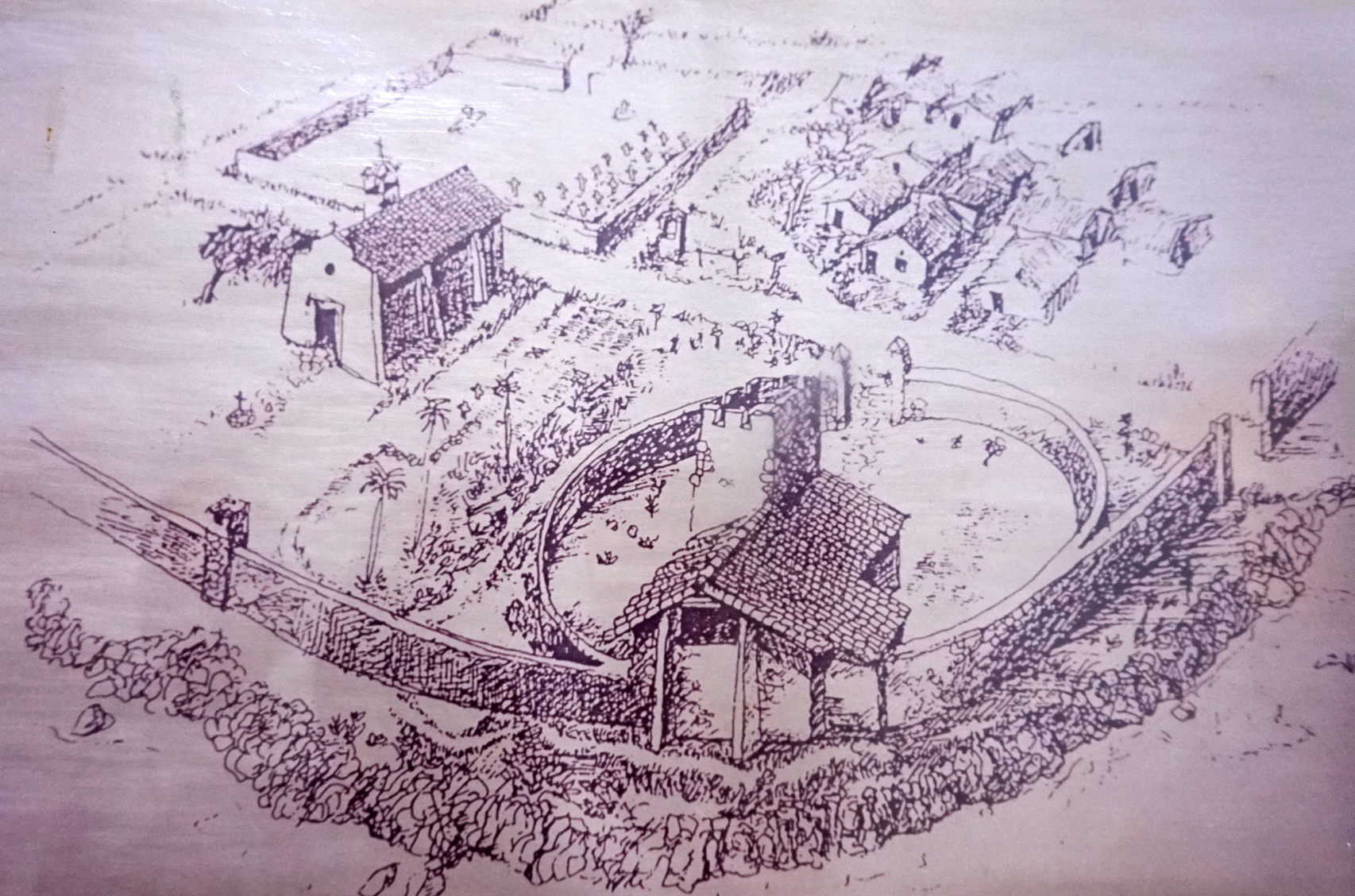
La Isabela was founded by Christopher Columbus during his second voyage in December 1493, and named after Queen Isabella I of Castile. The fort of La Navidad, established by Columbus a year earlier to the west of La Isabela, in what is present day Haiti, was destroyed by the native Taíno people before he returned. La Isabela was abandoned by 1500
La Isabella
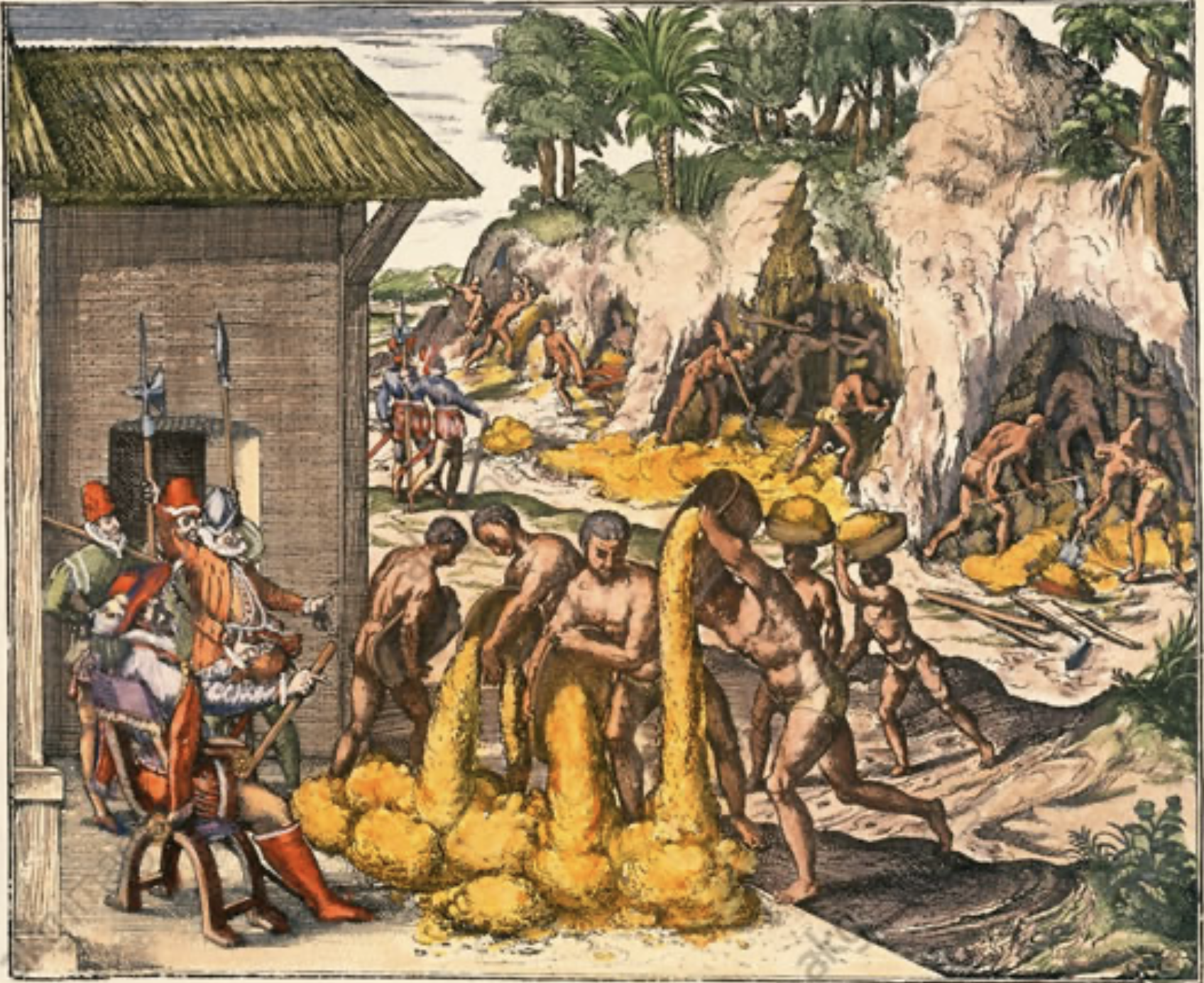
The encomienda (Spanish pronunciation: [eŋkoˈmjenda] ) was a Spanish labour system that rewarded conquerors with the labour of conquered non-Christian peoples. The labourers, in theory, were provided with benefits by the conquerors for whom they laboured, including military protection and education.
More...
Conquistidors
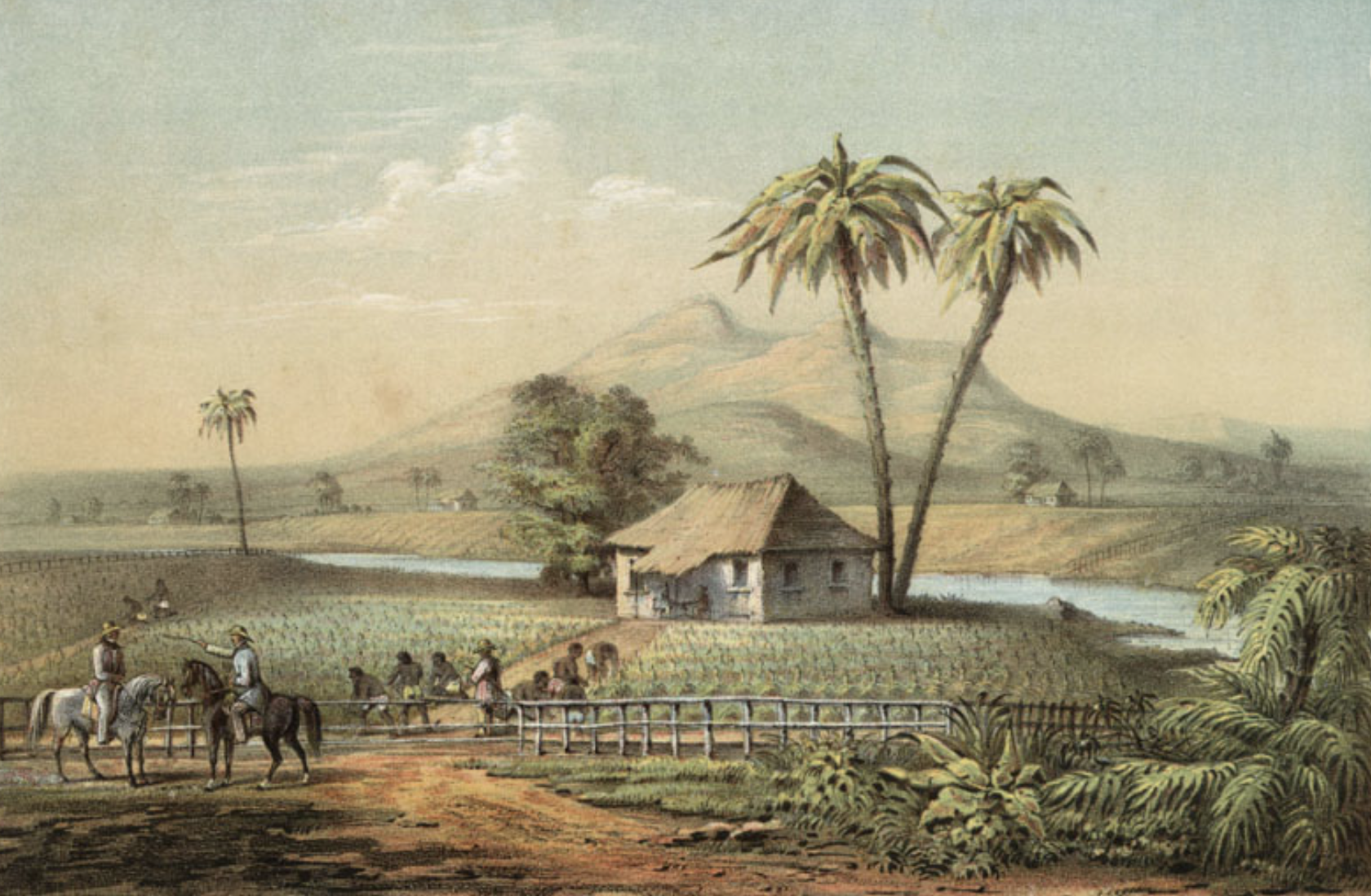
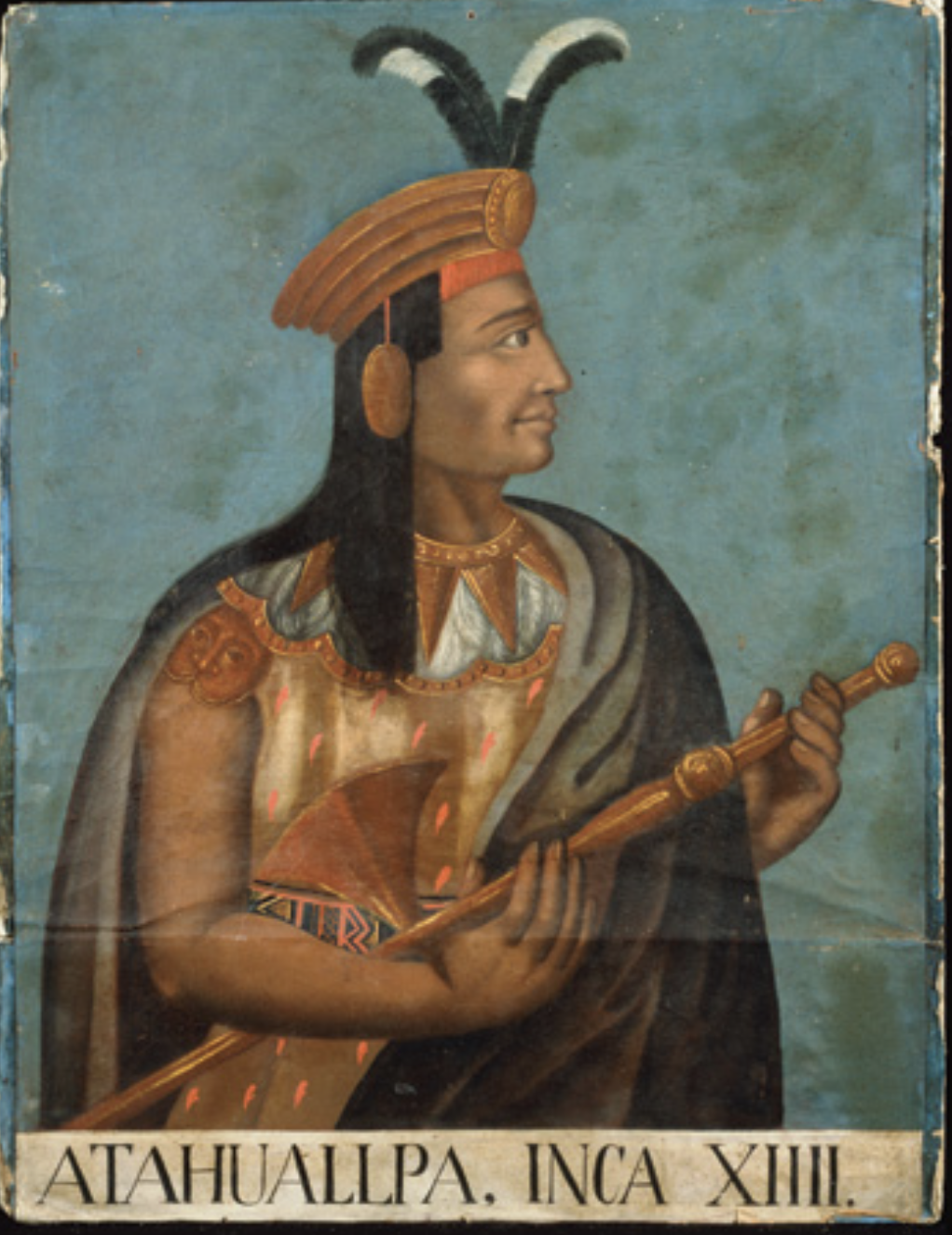
The Spanish conquest of the Inca Empire, also known as the Conquest of Peru, was one of the most important campaigns in the Spanish colonization of the Americas. After years of preliminary exploration and military skirmishes, 168 Spanish soldiers under conquistador Francisco Pizarro, along with his brothers and their indigenous allies, captured the Sapa Inca Atahualpa in the 1532 Battle of Cajamarca. It was the first step in a long campaign that took decades of fighting but ended in Spanish victory in 1572 and colonization of the region as the Viceroyalty of Peru.
More...
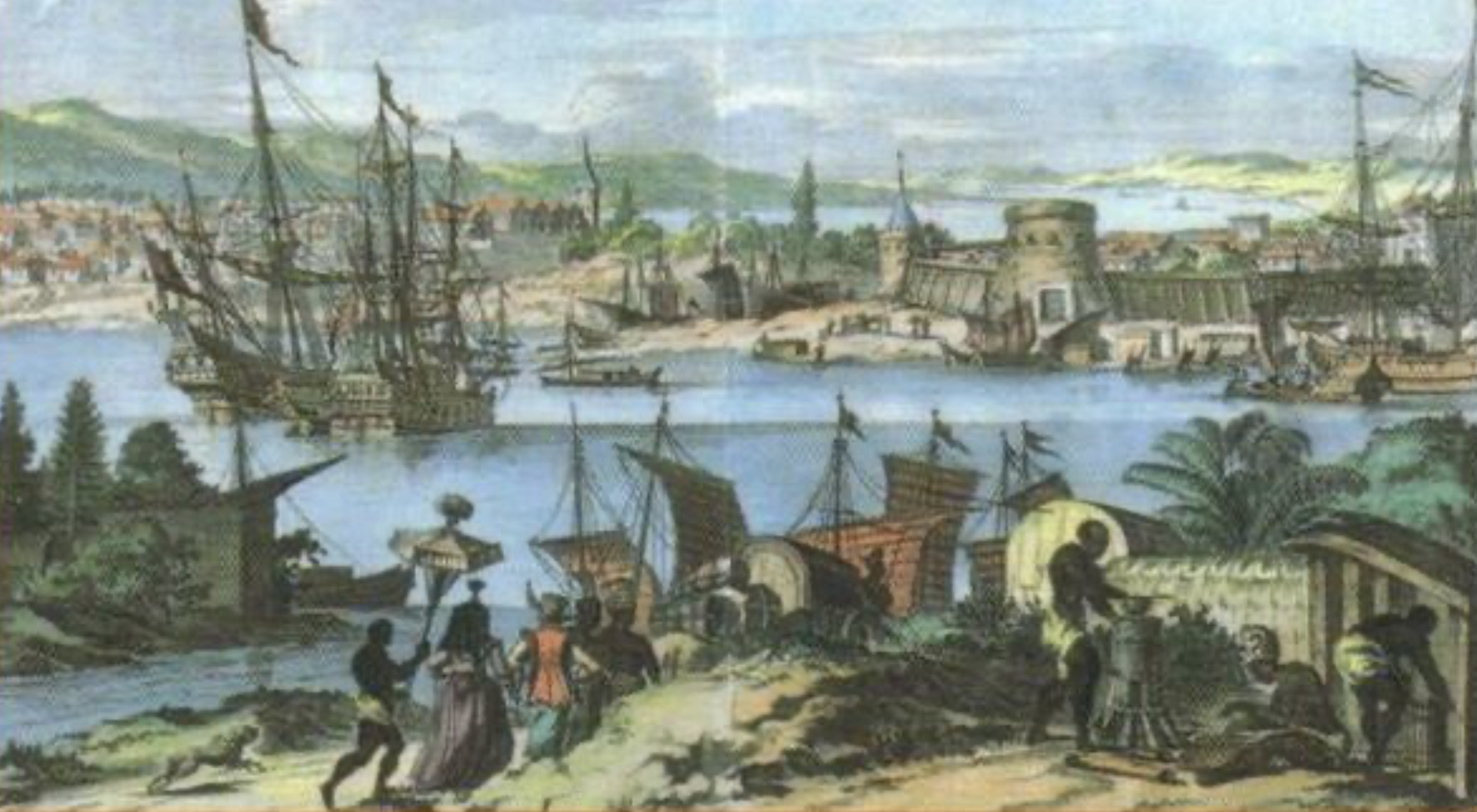
Founded in 1565 by the Spanish conquistador Pedro Menéndez de Avilés, St. Augustine is the oldest continuously occupied settlement of European origin in the contiguous United States. It is the second-oldest continuously inhabited city of European origin in a United States territory, after San Juan, Puerto Rico (founded in 1521).
...
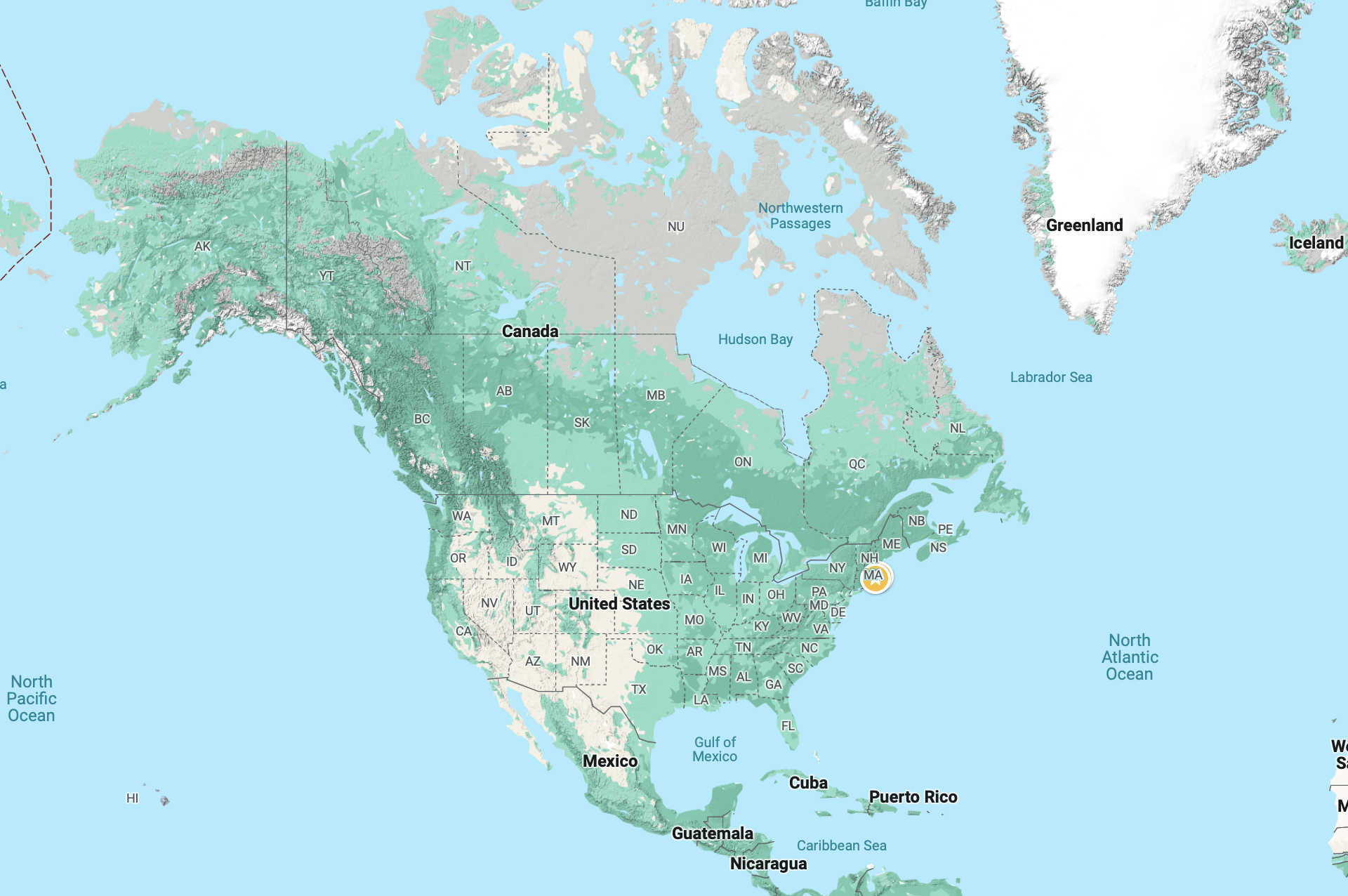
What did each explore do and when and where did they do it!
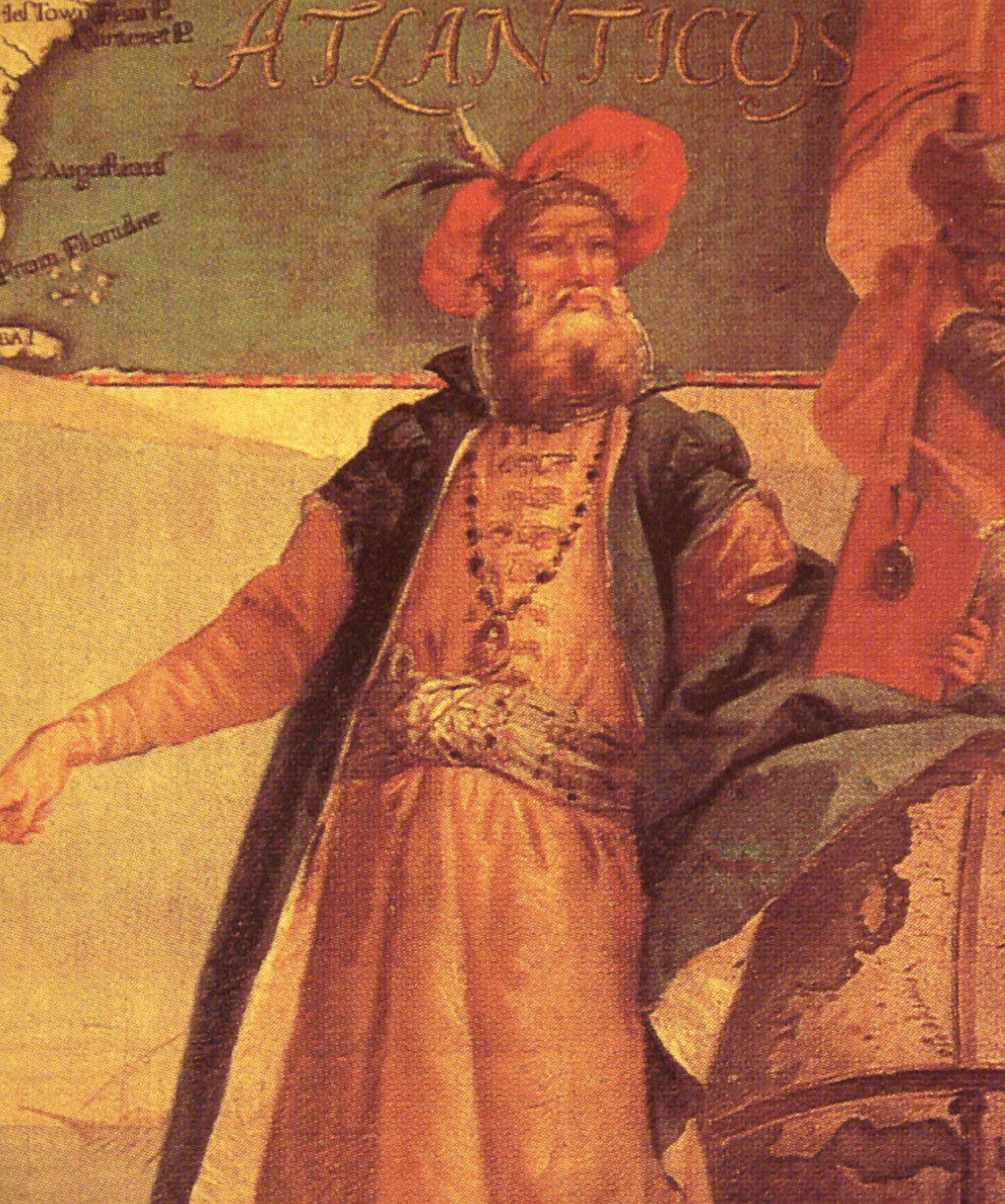
c. 1450 – c. 1500) was an Italian navigator and explorer. His 1497 voyage to the coast of North America under the commission of Henry VII, King of England is the earliest known European exploration of coastal North America since the Norse visits to Vinland in the eleventh century.
More ...
Jacques Cartier
31 December 1491 – 1 September 1557)
was a French-Breton maritime explorer for France. Jacques Cartier was the first European to describe and mapthe Gulf of Saint Lawrence and the shores of the Saint Lawrence River, which he named "The Country of Canadas" after the Iroquoian names for the two big settlements he saw at Stadacona (Quebec City) and at Hochelaga (Montreal Island)
More...
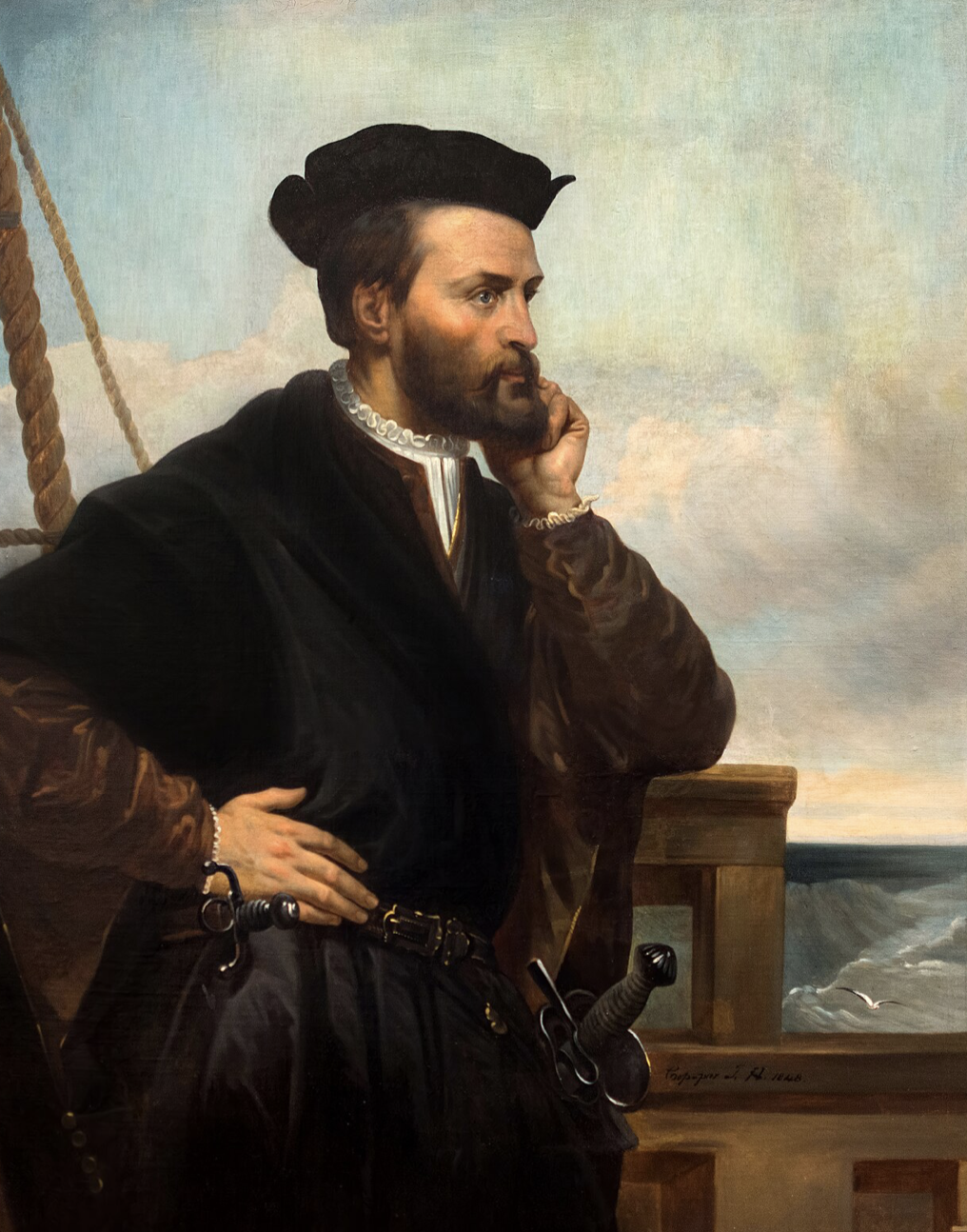
(c. 1565 – disappeared 23 June 1611) was an English sea explorer and navigator during the early 17th century, best known for his explorations of present-day Canada and parts of the northeastern United States.
More ...
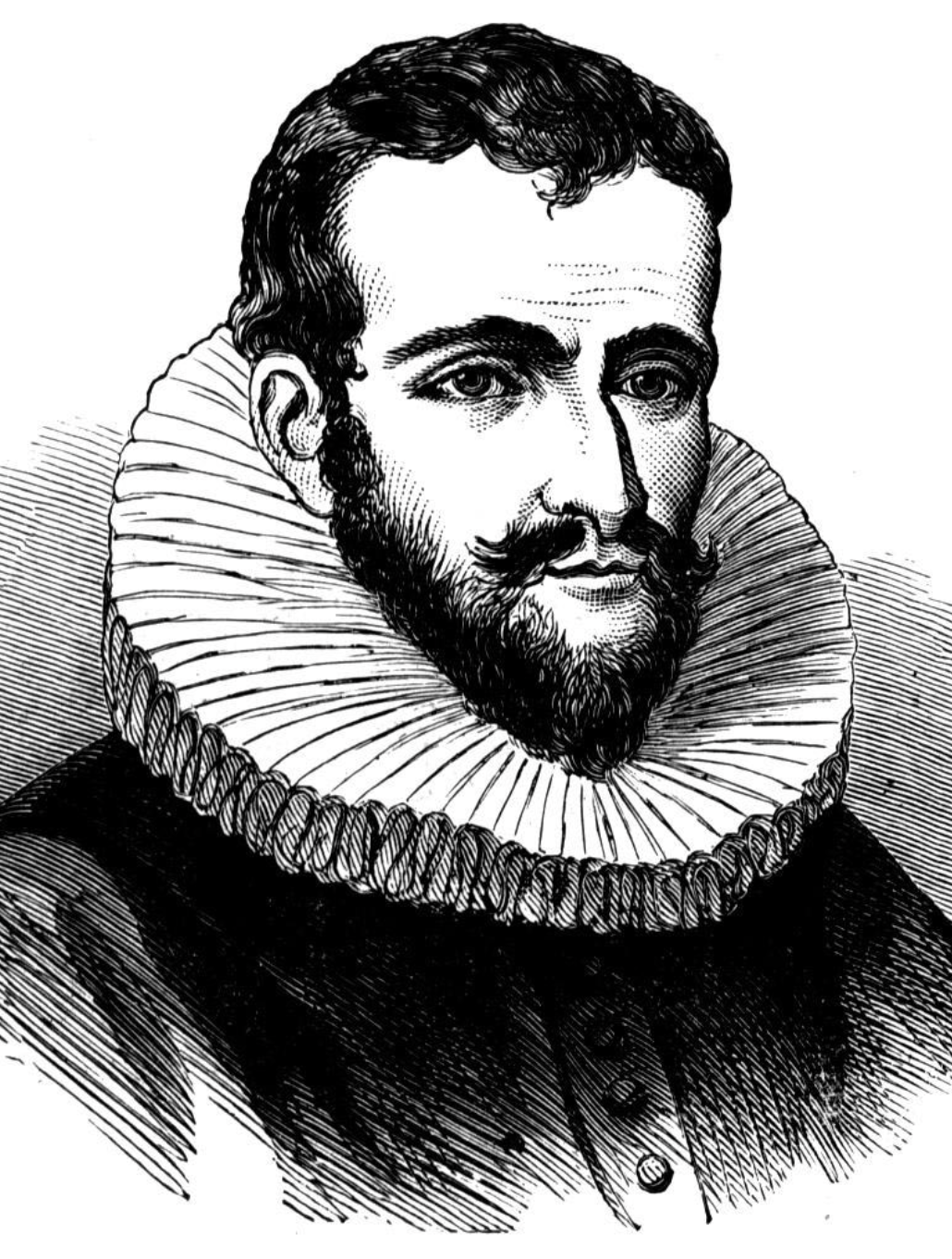
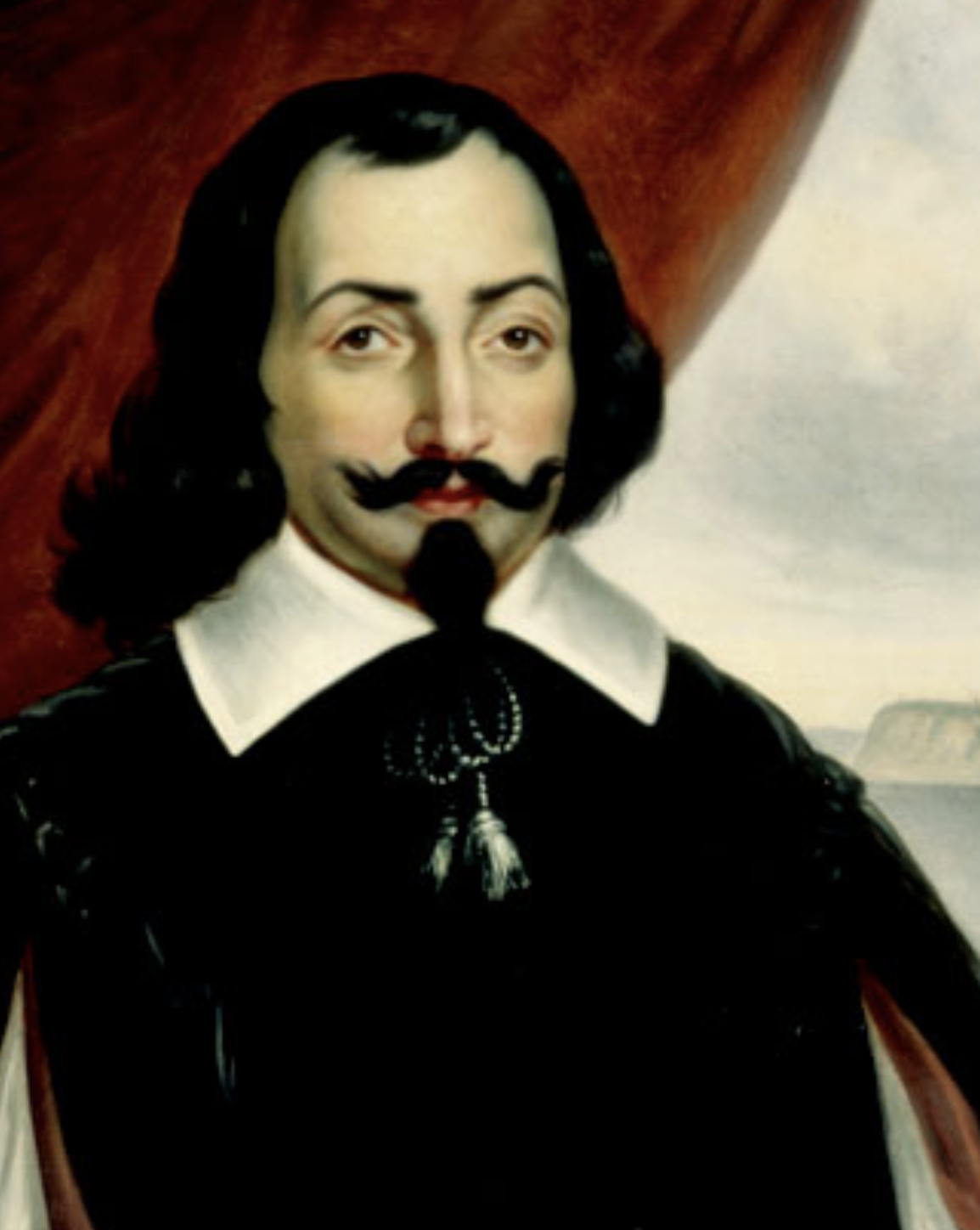
c. 13 August 1567– 25 December 1635)
was a French explorer, navigator, cartographer, draftsman, soldier, geographer, ethnologist, diplomat, and chronicler. He made between 21 and 29 trips across the Atlantic Ocean, and founded Quebec, and New France, on 3 July 1608.
More ...
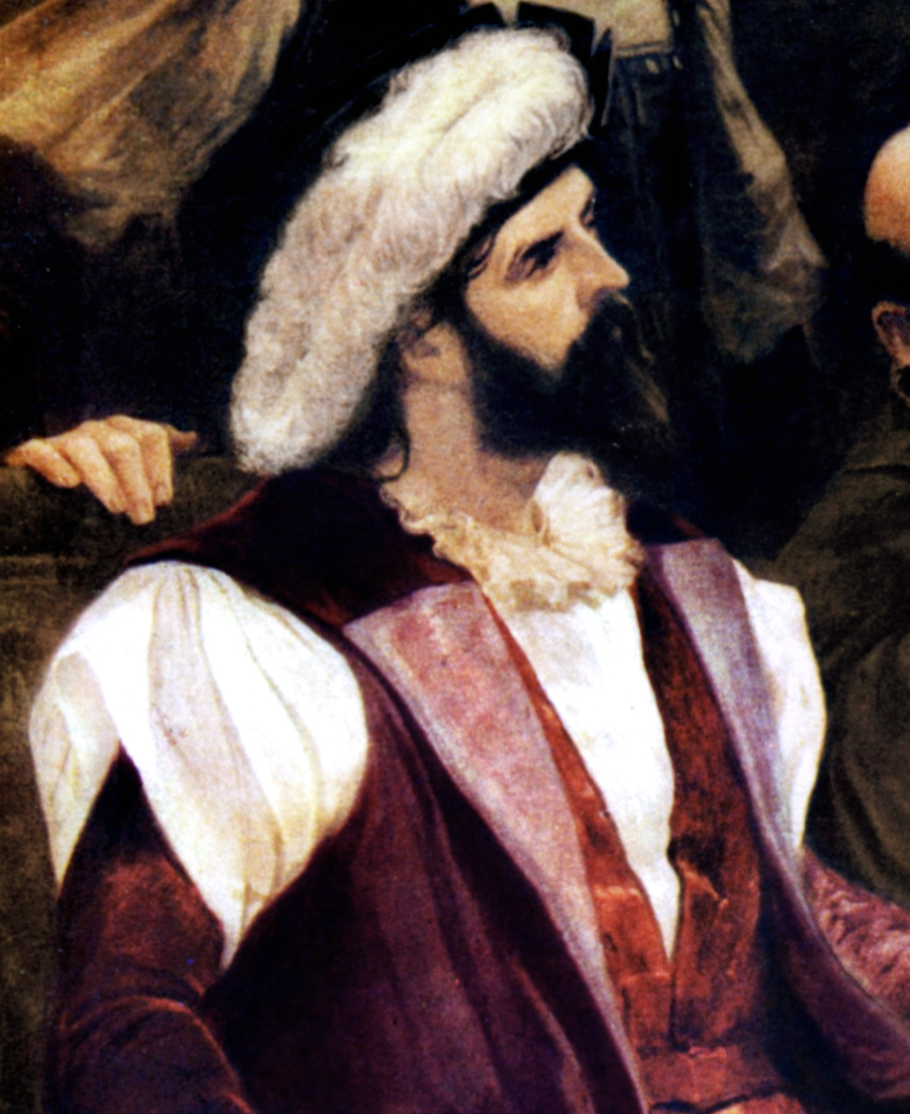
born Pedro Álvares de Gouveia;
c. 1467 or 1468 – c. 1520)
was a Portuguese nobleman, military commander, navigator and explorer regarded as the European discoverer of Brazil. He was the first human in history to ever be on four continents, uniting all of them in his famous voyage of 1500, where he also conducted the first substantial exploration of the northeast coast of South America and claimed it for Portugal.
More...
Explorer Samuel de Champlain founded a French settlement here in 1608, and adopted the Algonquin name. Quebec City is one of the oldest European settlements in North America. The ramparts surrounding Old Quebec (Vieux-Québec) are the only fortified city walls remaining in the Americas north of Mexico.
More...
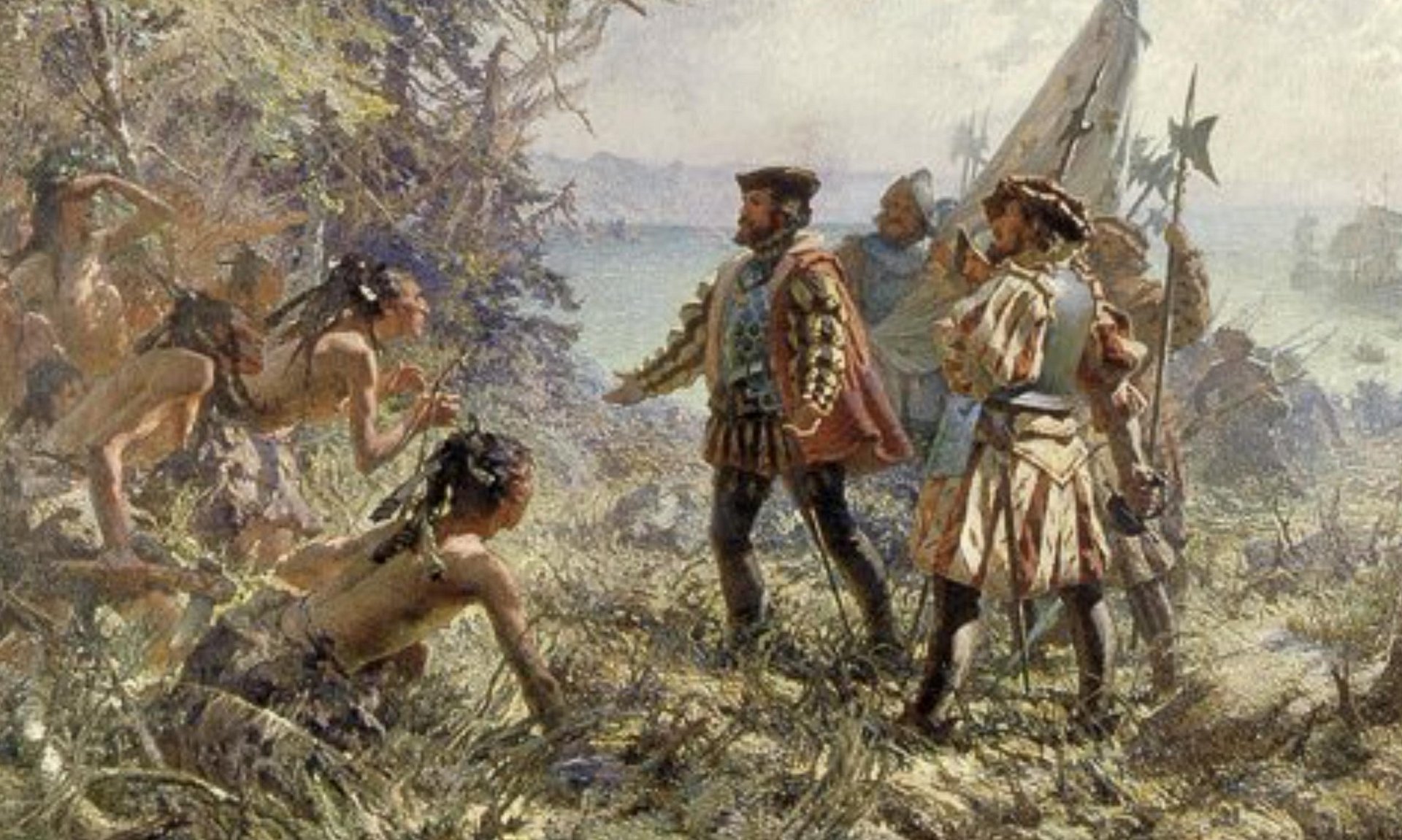
Spanish trader Juan Rodriguez (rendered in Dutch as Jan Rodrigues), was born in the Captaincy General of Santo Domingo, the first Spanish Colony in the Americas. Allegedly of Portuguese and African descent, he arrived on Manhattan Island during the winter of 1613–1614 under the command of Thijs Volckenz Mossel captain of the Jonge Tobias, trapping beavers and trading with the local population as a representative of the Dutch East India Company. He is the first recorded non-Indigenous inhabitant of what would eventually become New York City.
More...
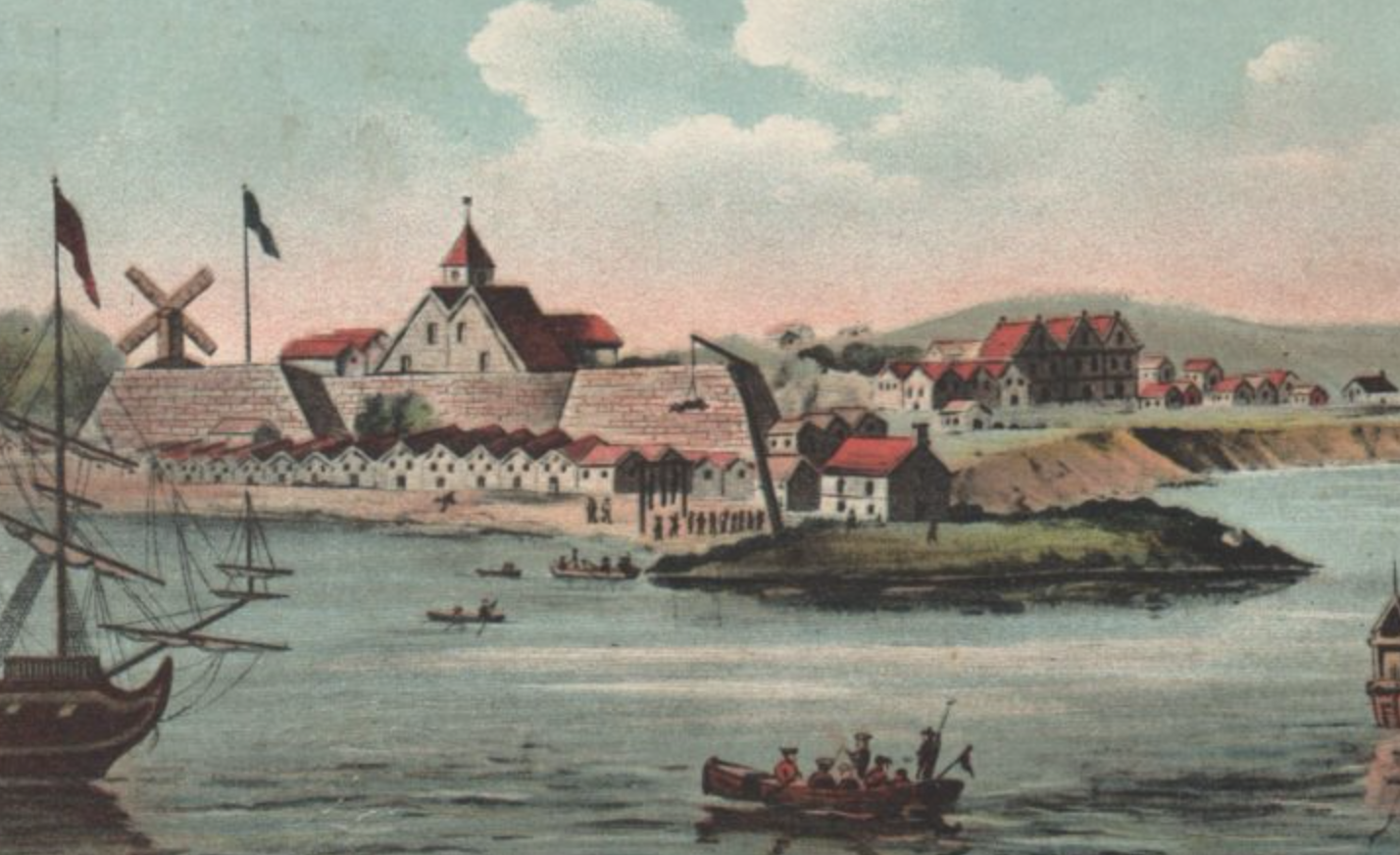
Roanoke Island was the site of the Roanoke Colony, an English settlement initially established in 1585 by Sir Walter Raleigh. A group of about 120 men, women and children arrived in 1587. Shortly after arriving here, colonist Eleanor Dare, daughter of Governor John White, gave birth to Virginia Dare, the first English child born in North America. Governor White returned to England later that year for supplies.
More...
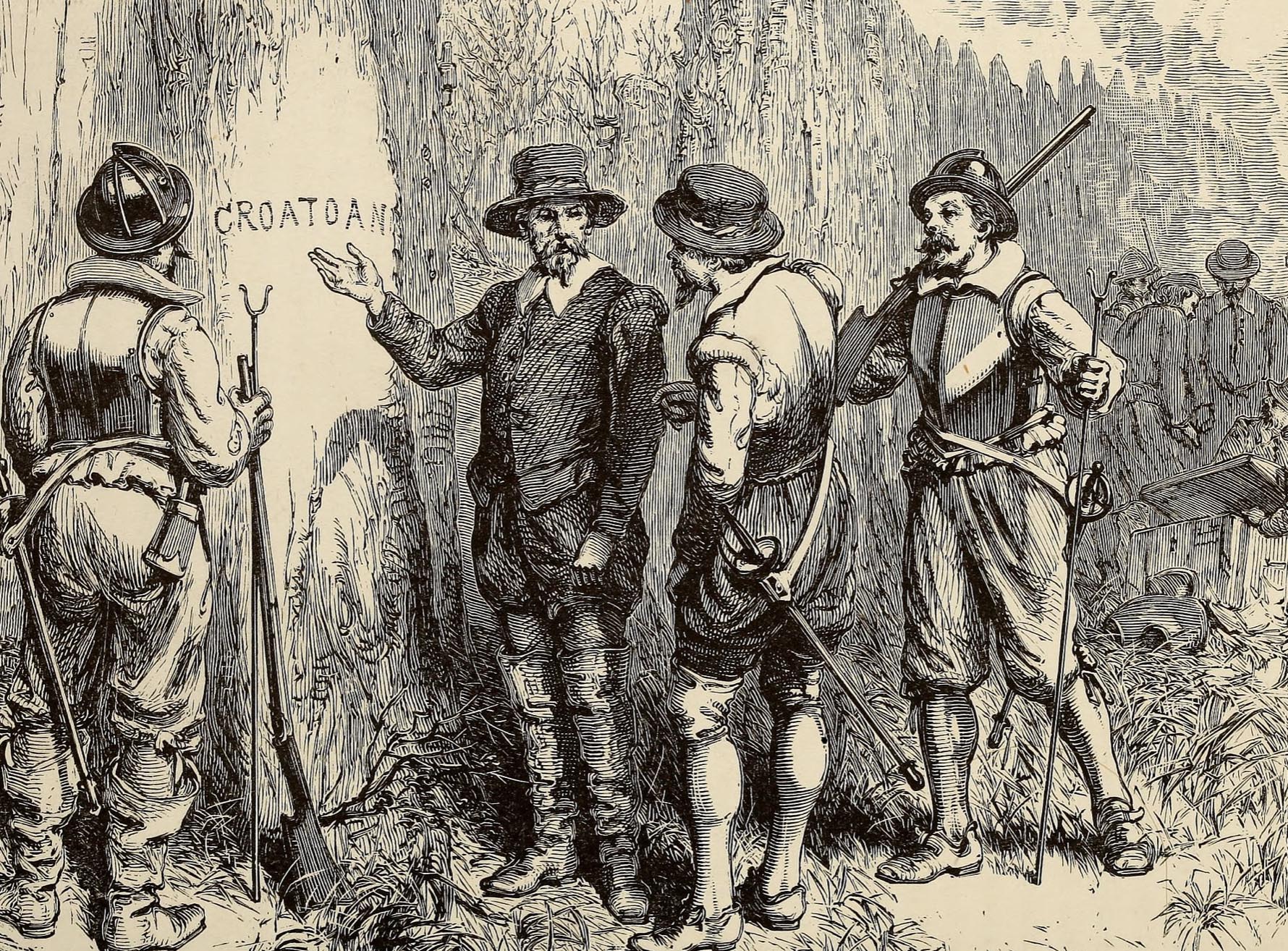
New Mexico's second Spanish governor, Don Pedro de Peralta, however, founded a new city at the foot of the Sangre de Cristo Mountains in 1607, which he called La Villa Real de la Santa Fé de San Francisco de Asís, the Royal Town of the Holy Faith of Saint Francis of Assisi. In 1610, he designated it as the capital of the province, which it has almost constantly remained, making it the oldest state capital in the United States.
More...
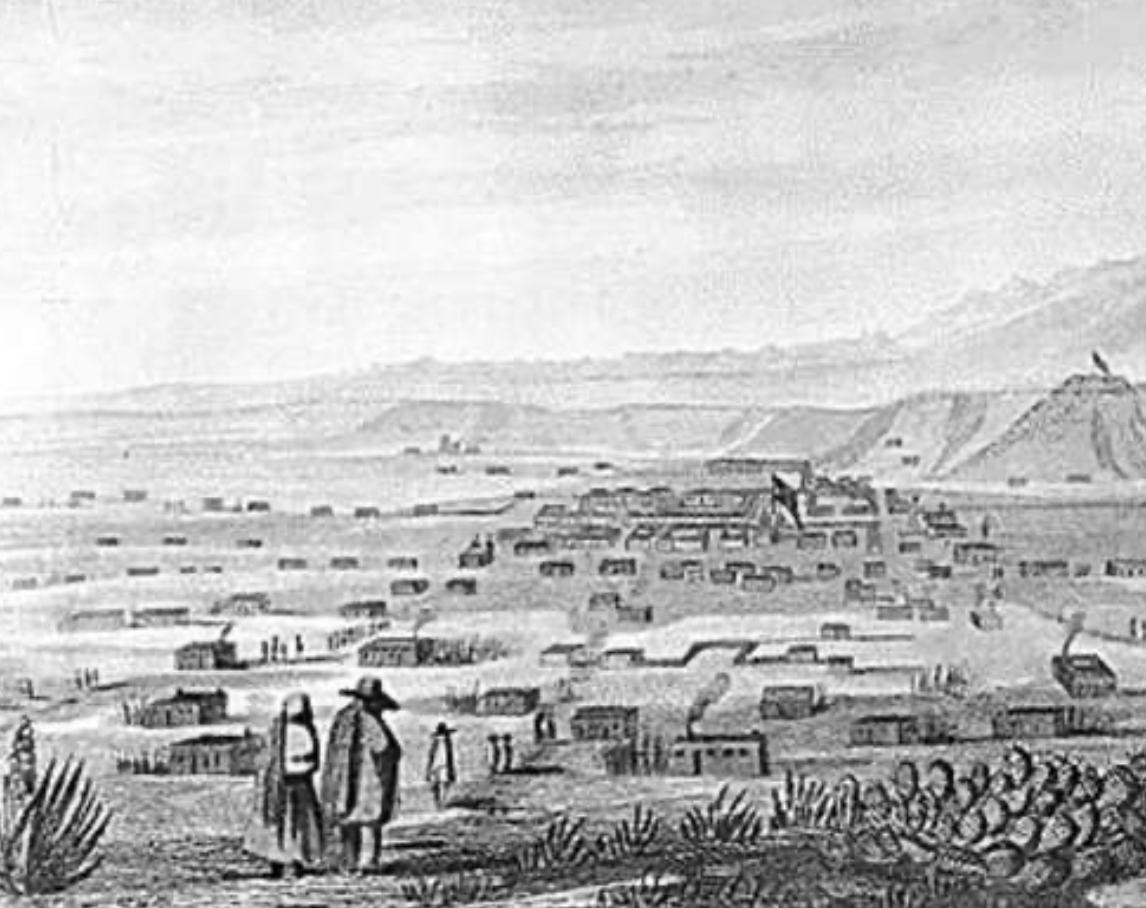
The Popham Colony—also known as the Sagadahoc Colony—was a short-lived English colonial settlementin North America. It was established in 1607 by the proprietary Plymouth Company and was located in the present-day town of Phippsburg, Maine, near the mouth of the Kennebec River.
More...
created with
Website Builder .


