Social and Economic Change
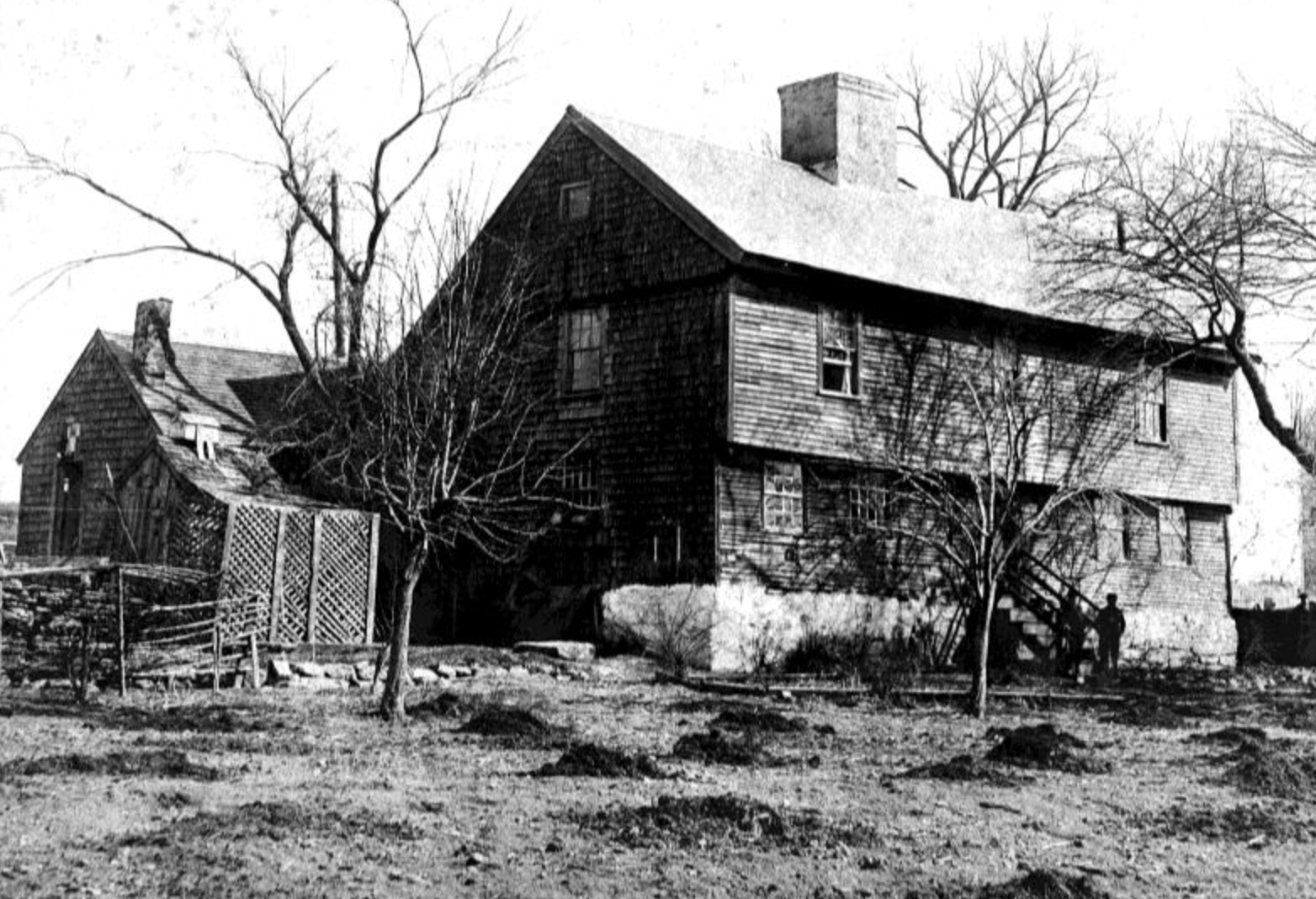
More ethnic and religious diversity
1750 Ethnic Distribution
Who was Where?
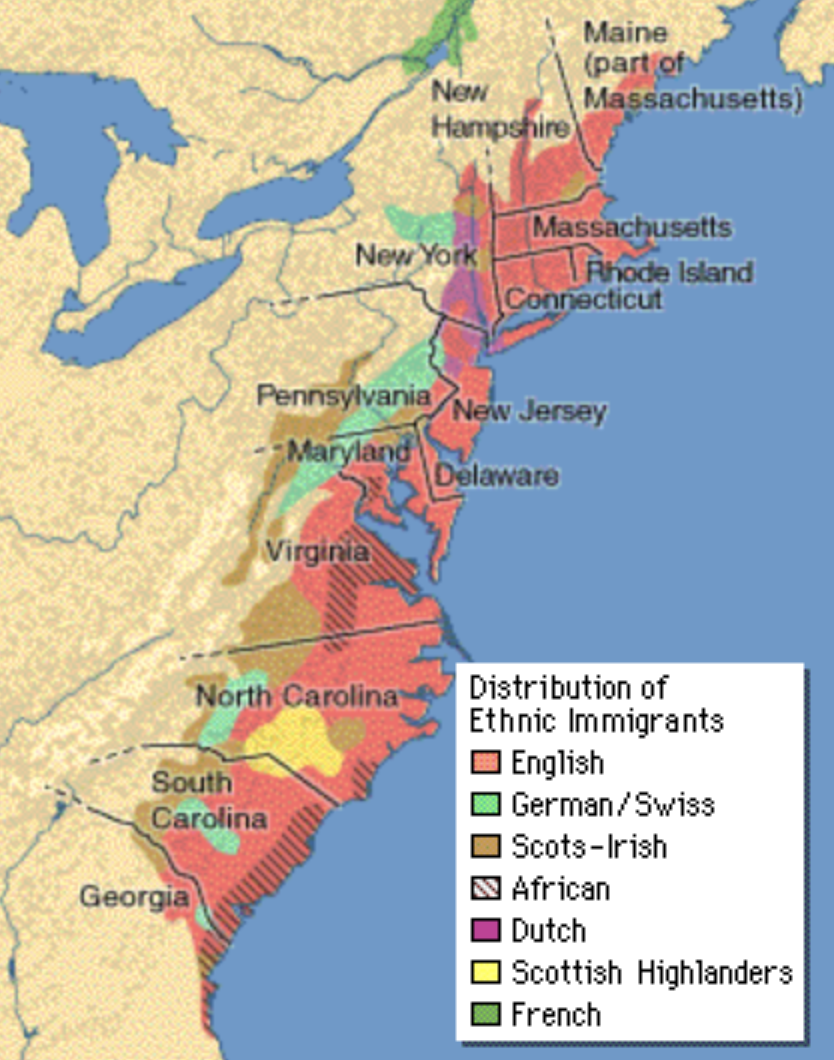
New England
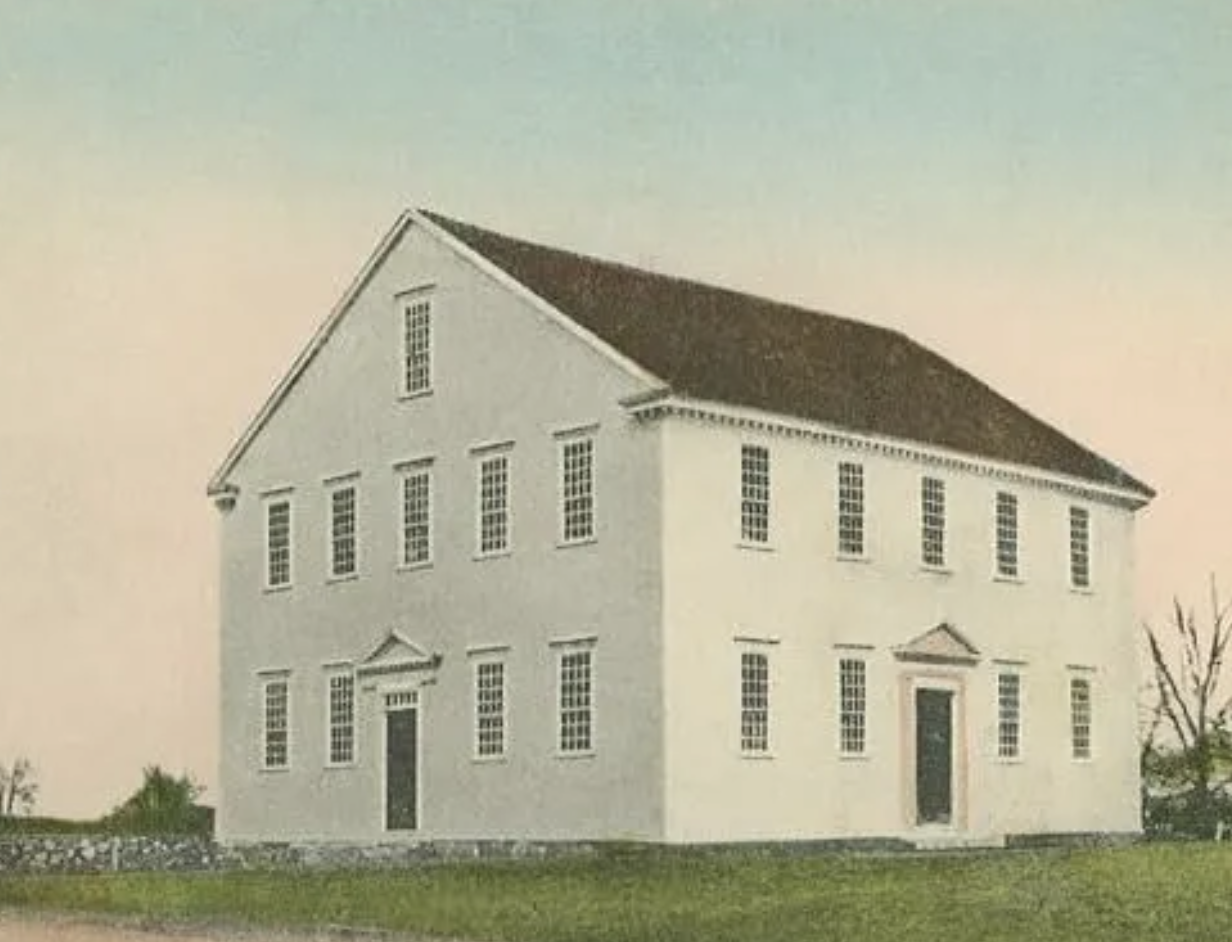
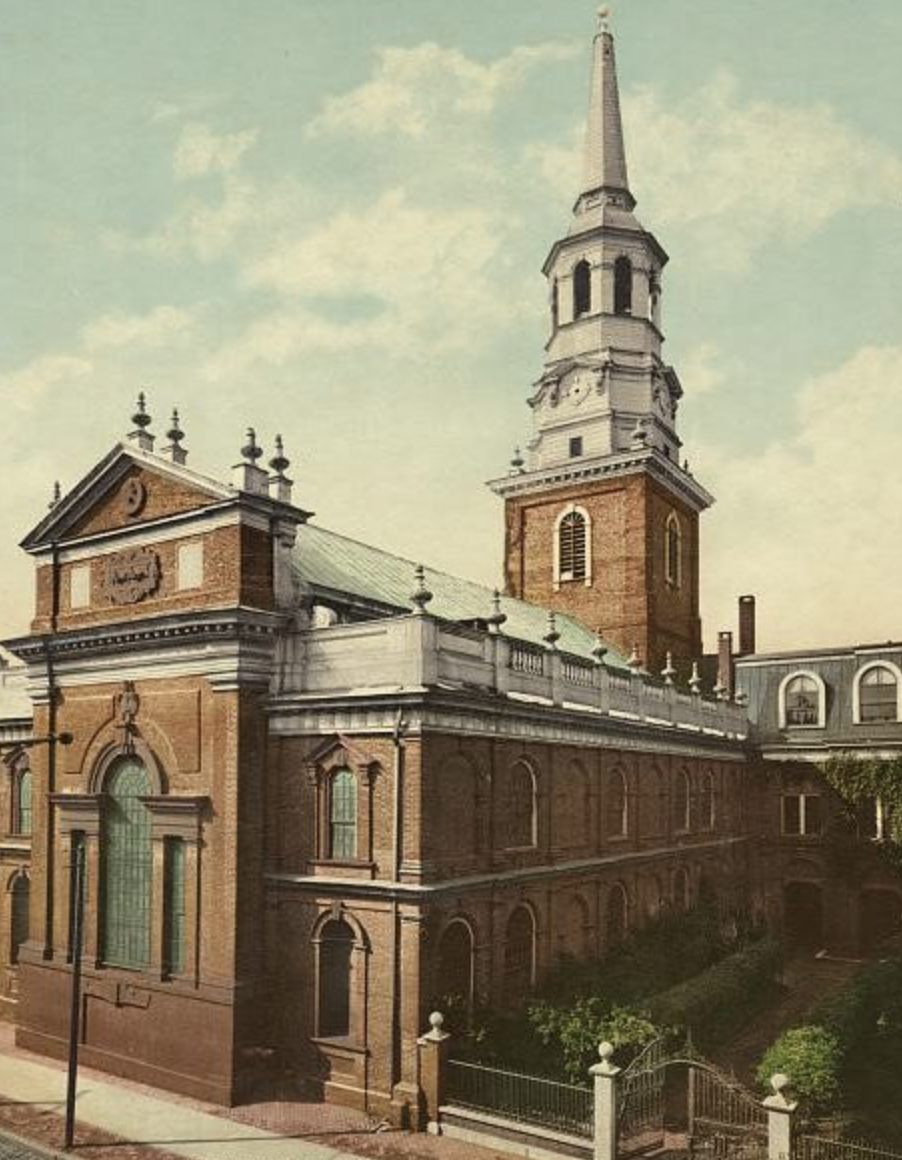
Most New Englanders went to a Congregationalist meetinghouse for church services. The meetinghouse, which served secular functions as well as religious, was a small wood building located in the center of town. People sat on hard wooden benches for most of the day, which was how long the church services usually lasted. These meeting houses became bigger and much less crude as the population grew after the 1660s. Steeples grew, bells were introduced, and some churches grew big enough to host as many as one thousand worshippers.
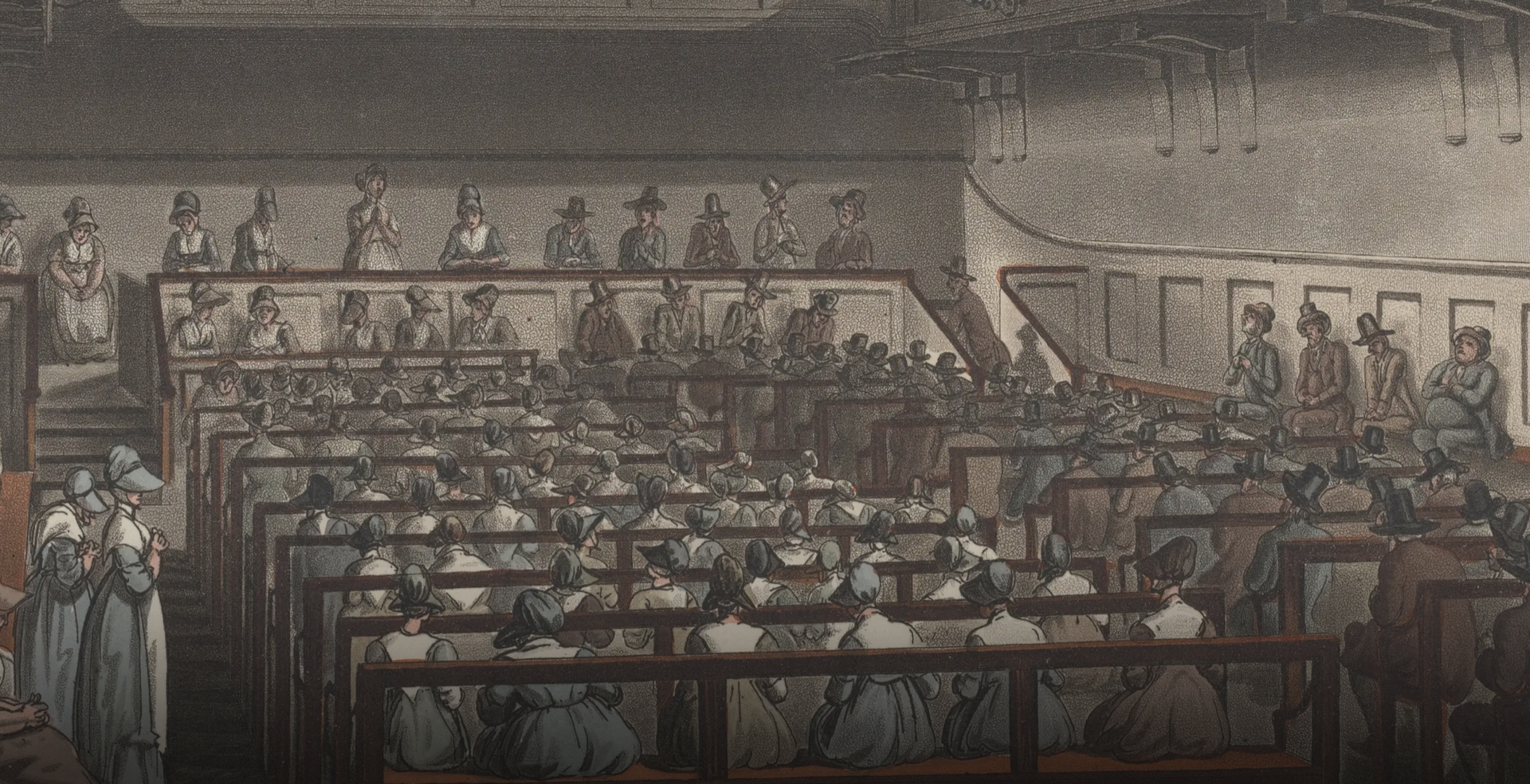
The Middle colonies
saw a mixture of religions, including Quakers (who founded Pennsylvania), Catholics, Lutherans, a few Jews, and others.
Southern Colonies
were a mixture including Baptists and Anglicans. In the Carolinas, Virginia, and Maryland (which was originally founded as a haven for Catholics), the Church of England was recognized by law as the state church, and a portion of tax revenues went to support the parish and its priest.
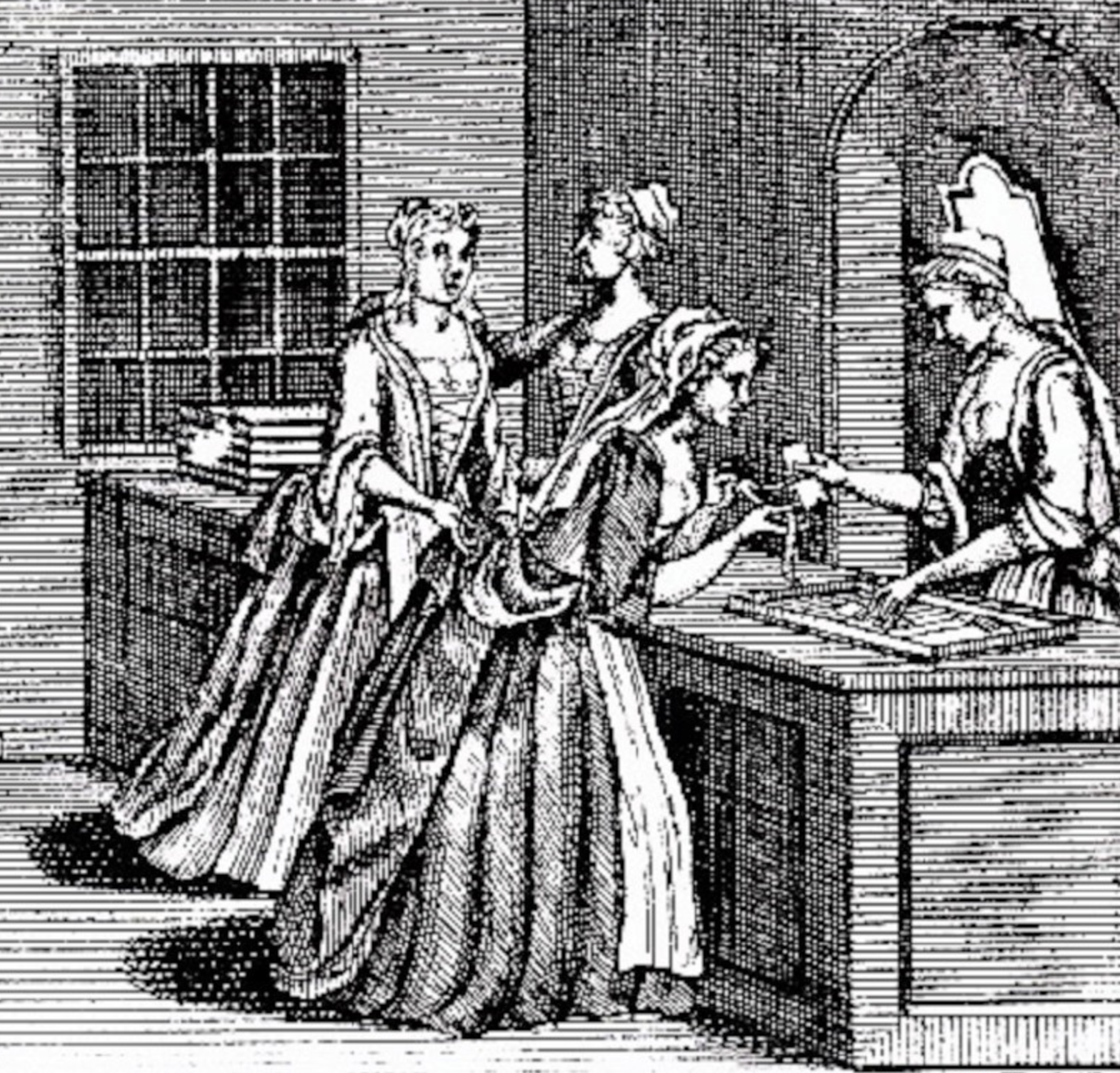
The consumer revolution refers to the period from approximately 1600 to 1750 in England in which there was a marked increase in the consumption and variety of luxury goods and products by individuals from different economic and social backgrounds. The consumer revolution marked a departure from the traditional mode of life that was dominated by frugality and scarcity to one of increasingly mass consumption in society.
More
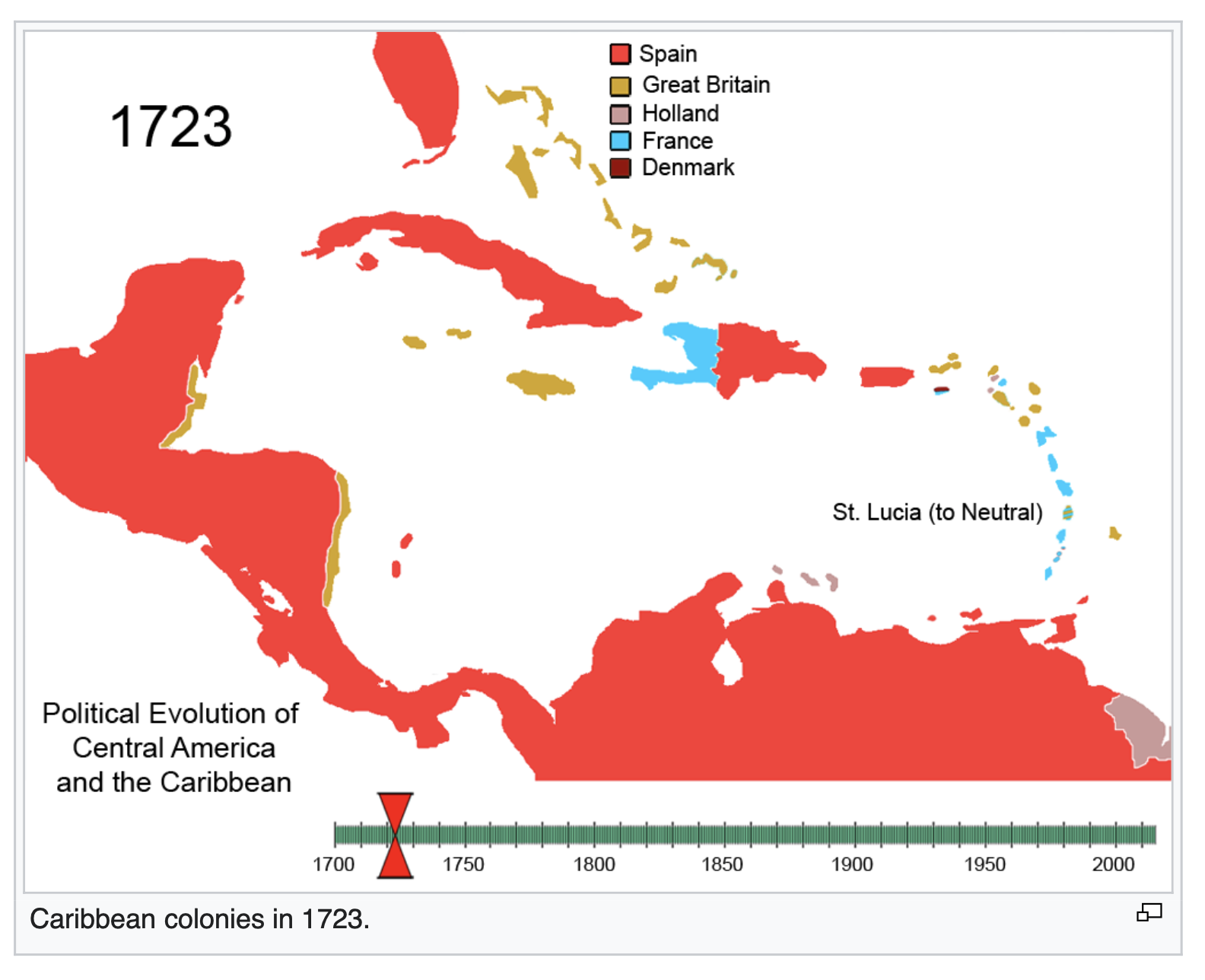
The colonial molasses trade occurred throughout the seventeenth, eighteenth and nineteenth centuries in the European colonies in the Americas. Molasses was a major trading product in the Americas, being produced by enslaved Africans on sugar plantations on European colonies. The good was a major import for the British North American colonies, which used molasses to produce rum, especially distilleries in New England. The finished product was then exported to Europe as part of the triangular trade.
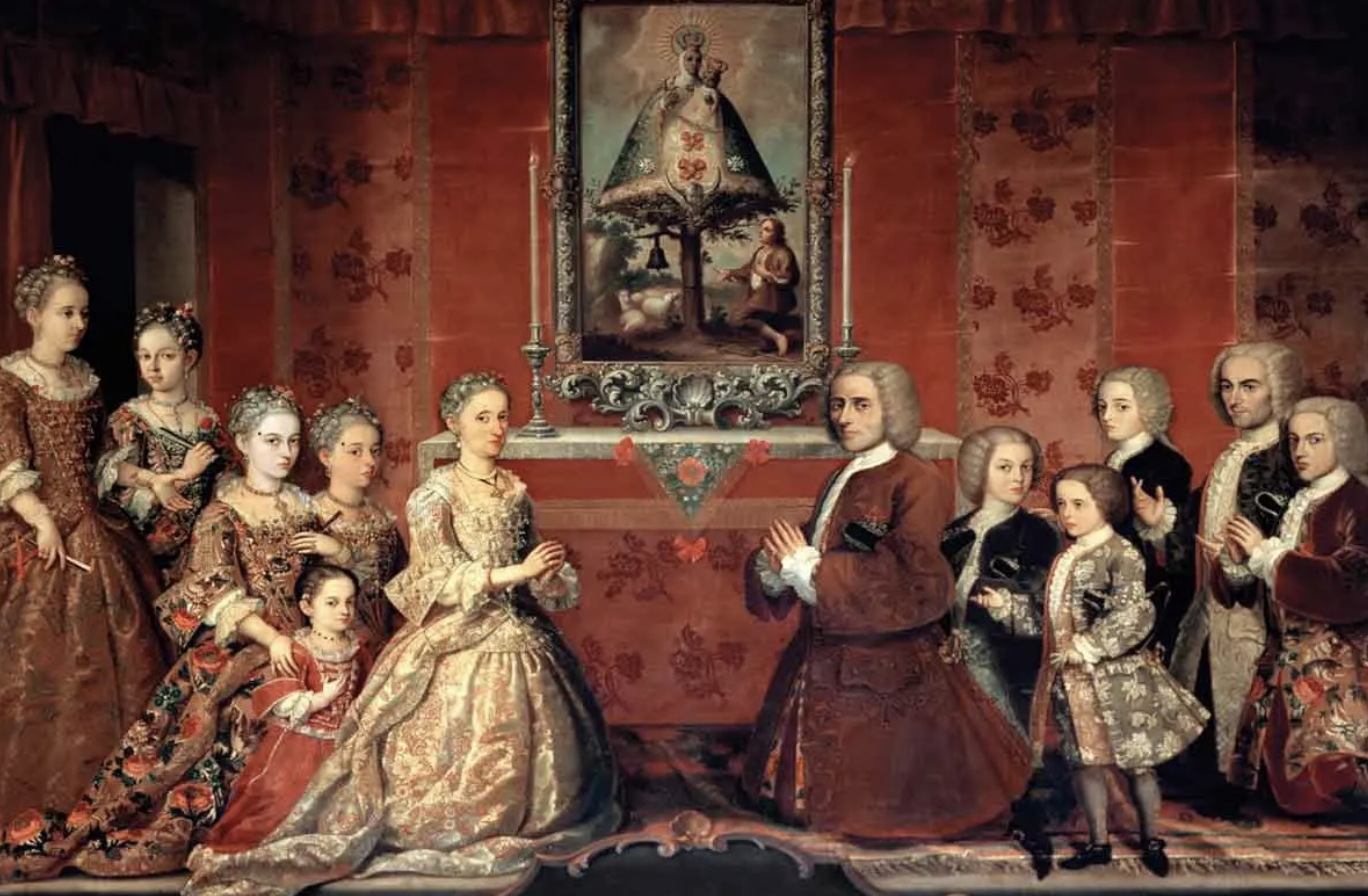
Upper Classes
These men were the elite, wealthy, well bred and well educated minor aristocrats. Men of the Upper class could vote and held high public office.
Middle Classes
Men of the middle class could vote but few held public office. These men owned small farms, ran stores or small businesses, were skilled tradesmen or belonged to professions such as ministers, doctors and lawyers
Lower Classes & 'Poor Whites'
Men of the lower class could not vote, none held public office, few owned property and most were illiterate. These were manual workers, servants, apprentices, sailors and hired hands but also included semi-skilled tradesmen. "Poor whites" were increasingly forced to become tenant farmers
Indentured Servants & Convicts Indentured servants (who included about 50,000 convicts) were not paid any wages for up to 7 years. Indentured servants had few rights, they could not vote, they were not allowed to marry or to leave their houses and travel without permission and were not allowed to buy or sell anything.
Slaves
20% of population of North America were slaves and had no rights
More...
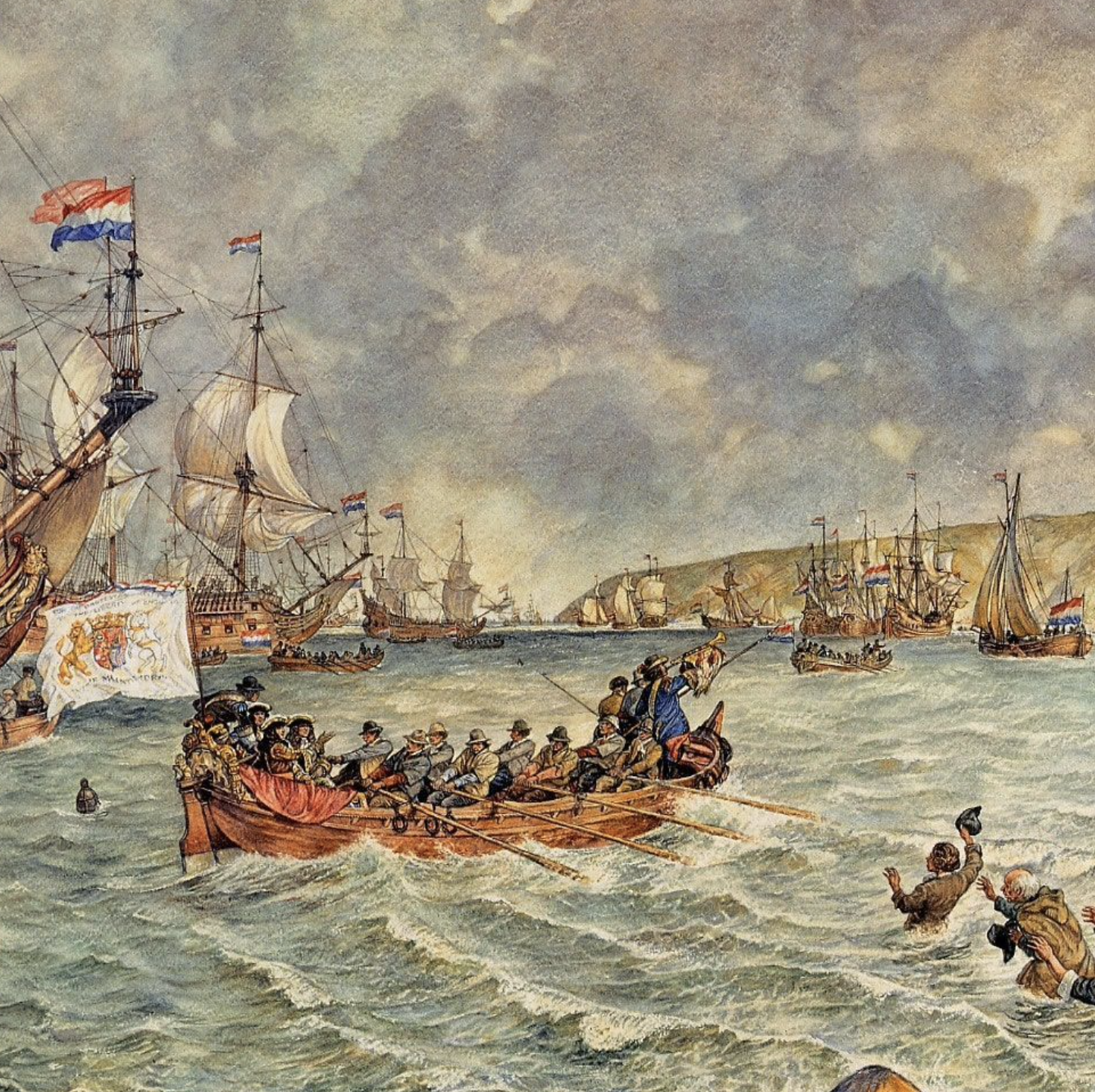
The Glorious Revolution is the term, first used in 1689, to summarise events leading to the deposition of James II and VII of England, Ireland, and Scotland in November 1688 and his replacement by his daughter Mary II and her husband, who was also James's nephew William III of Orange, de facto ruler of the Dutch Republic. Known as the Glorieuze Overtocht or Glorious Crossingin the Netherlands, it has been described both as the last successful invasion of England and as an internal coup.
William III
English Bill of Rights
created with
Free Website Builder .