Crises
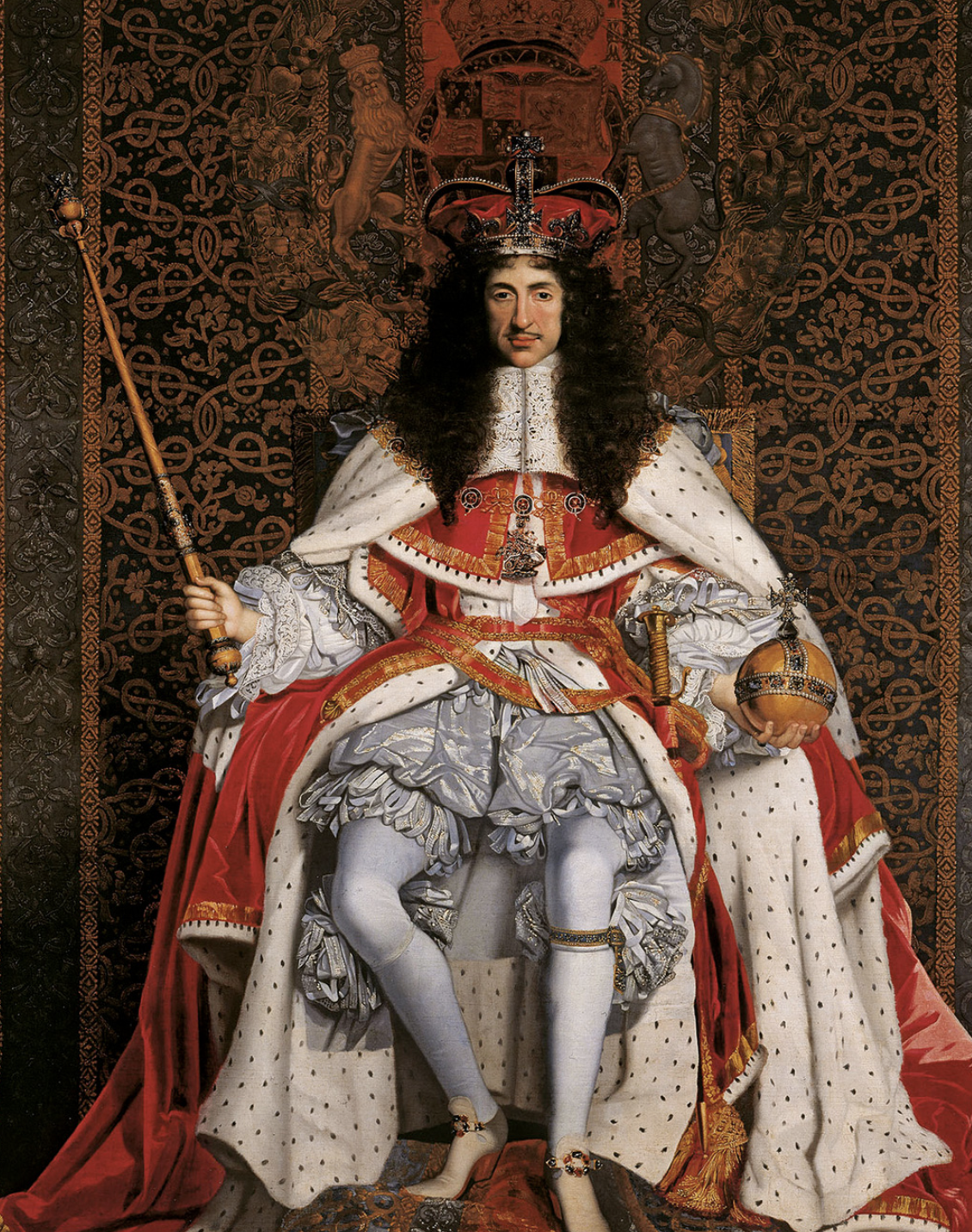
The Restoration of the Stuart monarchy in the kingdoms of England, Scotland, and Ireland took place in 1660 when King Charles II returned from exile in continental Europe. The preceding period of the Protectorate and the civil wars came to be known as the Interregnum (1649–1660).
The end of Salutary Neglect
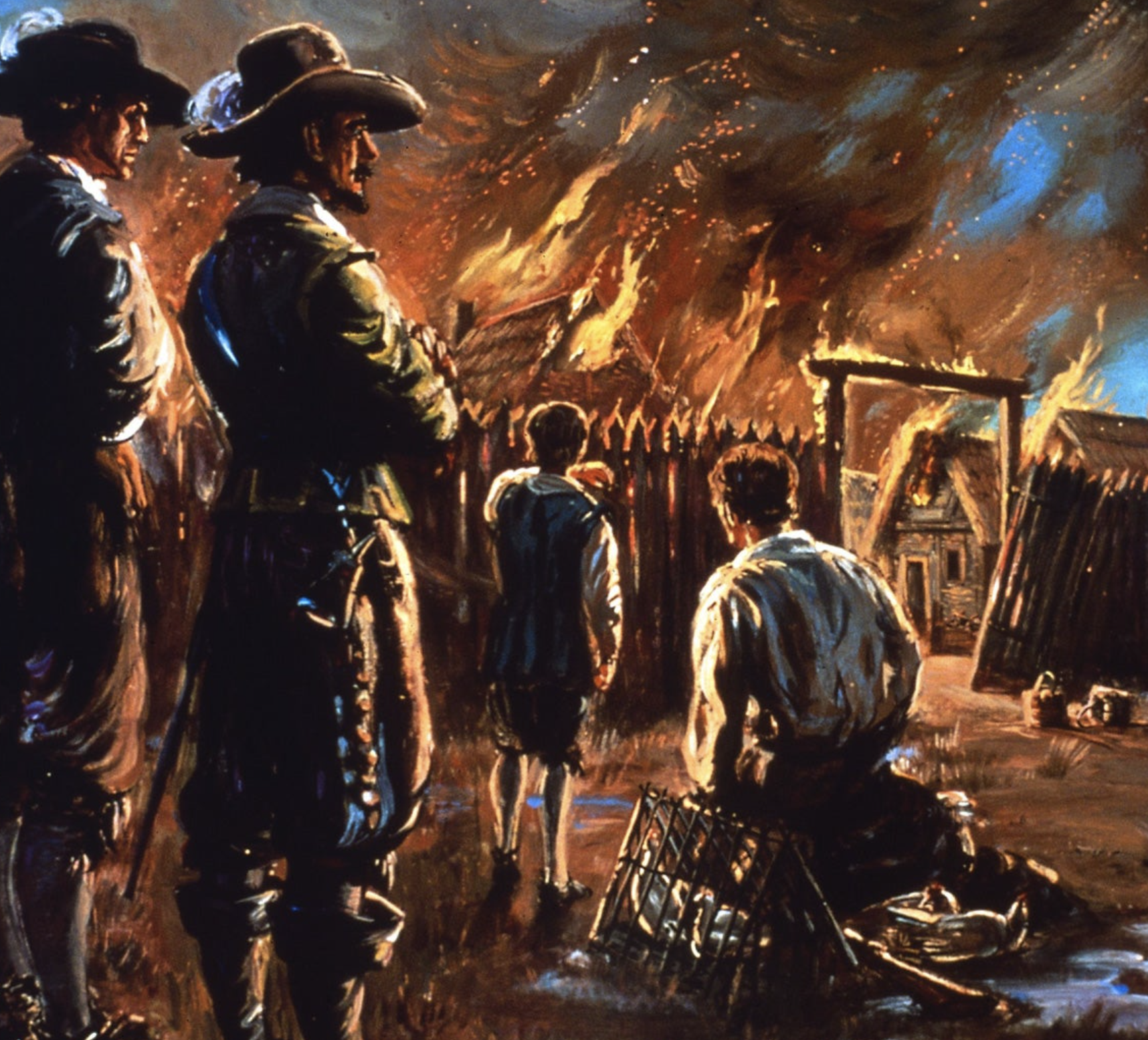
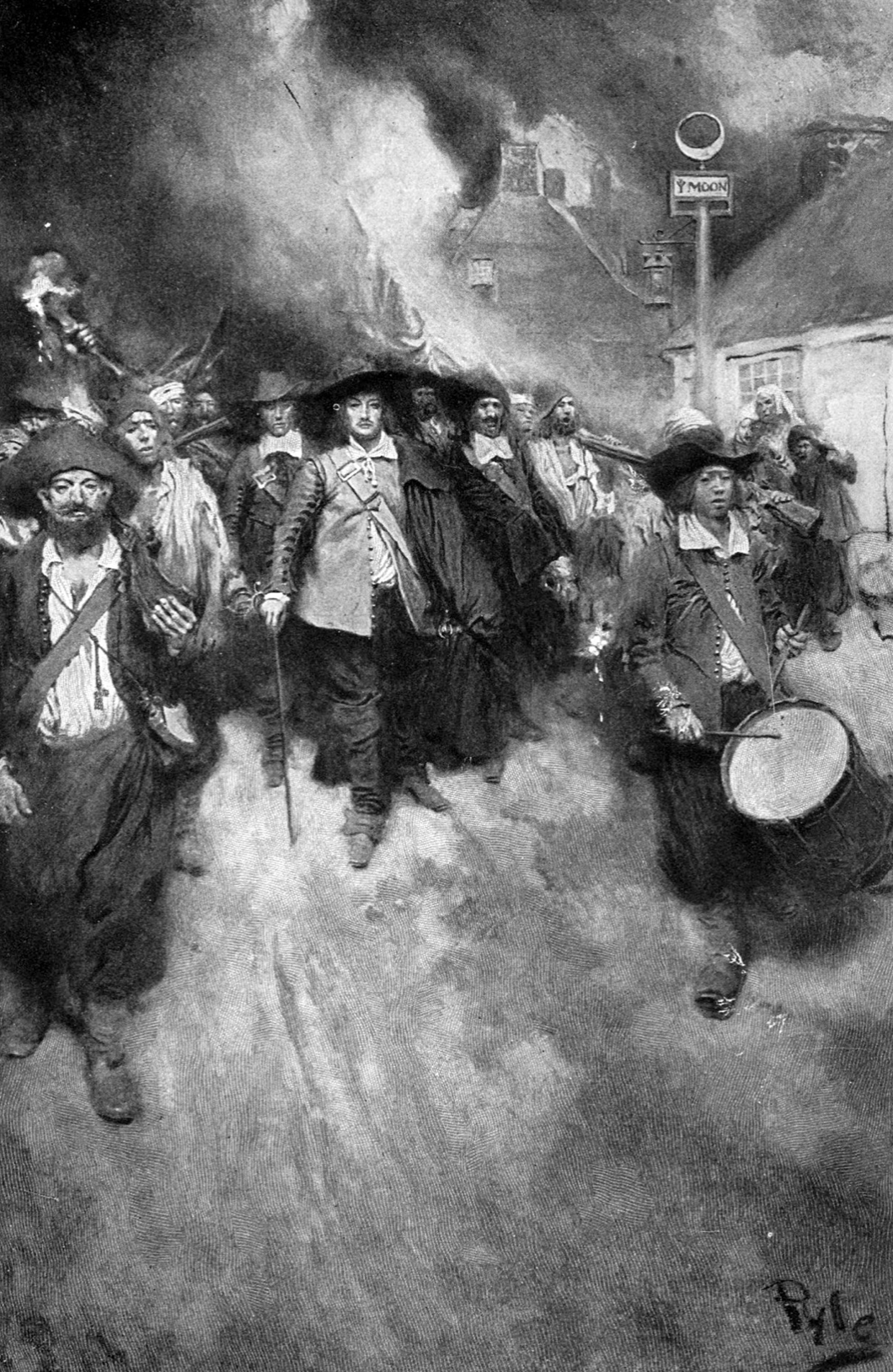
Bacon's Rebellion was an armed rebellion held by Virginia settlers that took place from 1676 to 1677. It was led by Nathaniel Bacon against Colonial Governor William Berkeley, after Berkeley refused Bacon's request to drive Native American Indians out of Virginia. Thousands of Virginians from all classes (including those in indentured servitude) and races rose up in arms against Berkeley, chasing him from Jamestown and ultimately torching the settlement.
More...
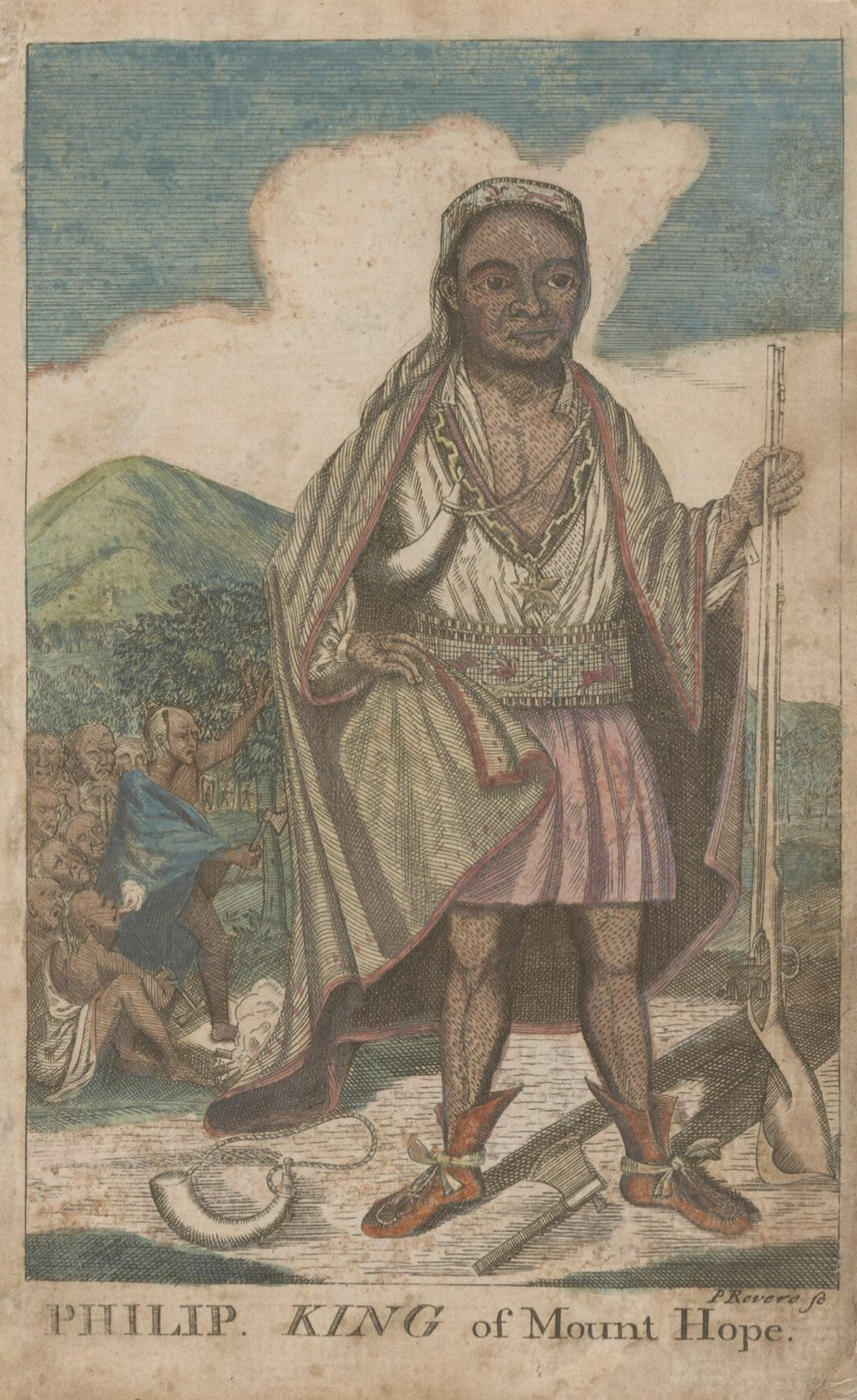
King Philip's War was an armed conflict in 1675–1676 between a group of indigenous peoples of the Northeastern Woodlands and the English New England Colonies and their indigenous allies. The war is named for Metacomet, the Pokanoket chief and sachem of the Wampanoag who adopted the English name Philip because of the friendly relations between his father Massasoit and the Plymouth Colony. The war continued in the most northern reaches of New England until the signing of the Treaty of Casco Bay on April 12, 1678.
Caualties?
Find out
The Salem witch trials were a series of hearings and prosecutions of people accused of witchcraft in colonial Massachusetts between February 1692 and May 1693. More than 200 people were accused. Thirty people were found guilty, 19 of whom were executed by hanging (14 women and five men). One other man, Giles Corey, died under torture after refusing to enter a plea, and at least five people died in jail
Ebennezer Babson
Witches of Dogtown
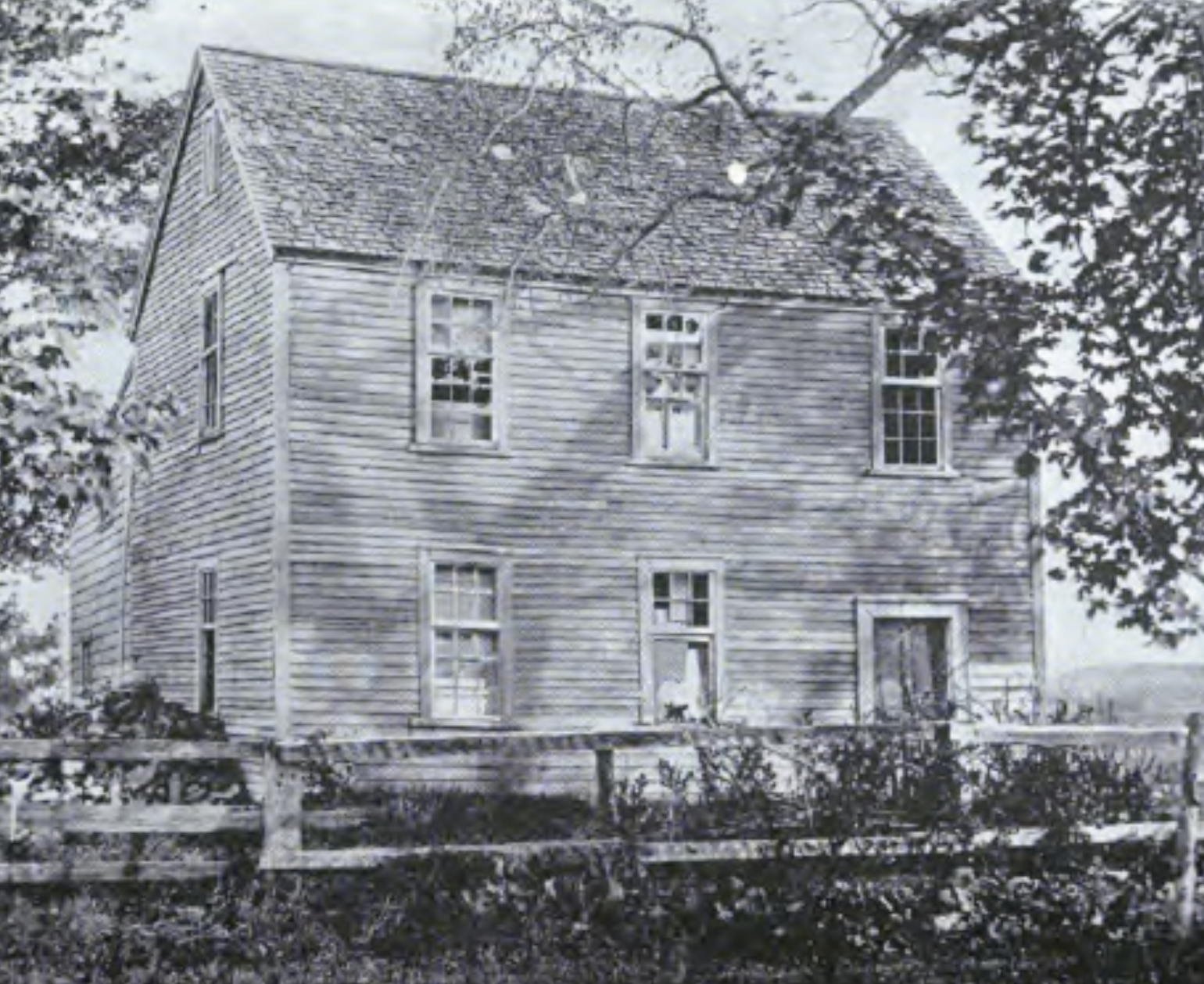
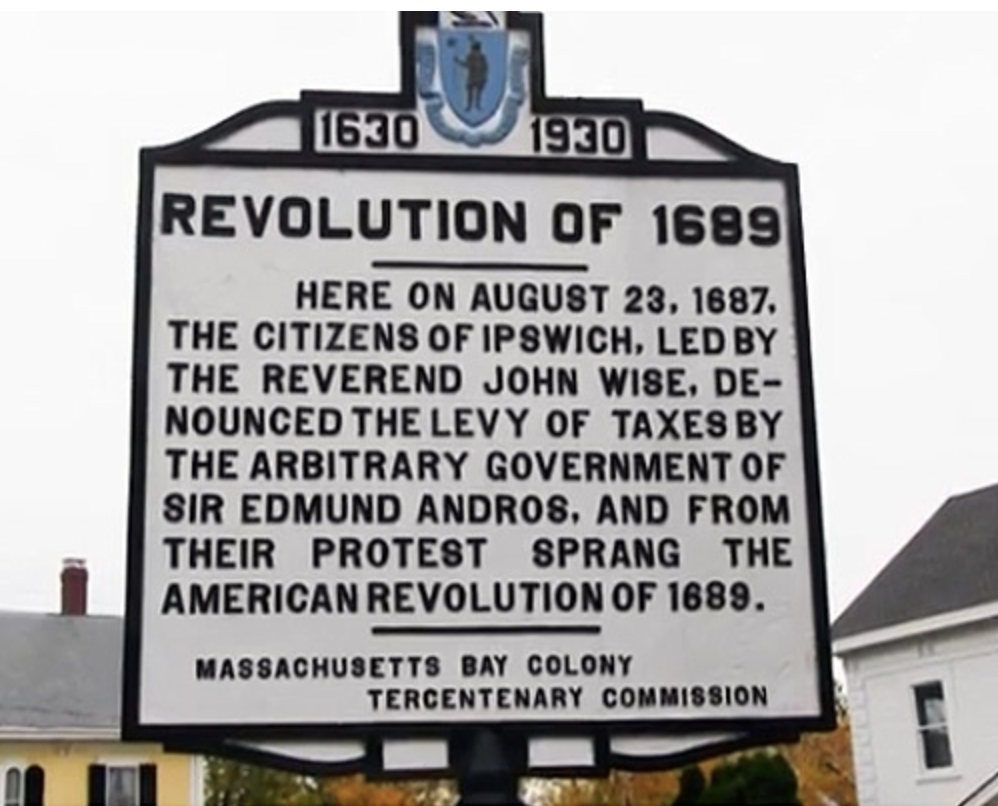
A typical American colonial government was headed by a governor, who was appointed by the Crown and meant to represent the interests of the home country, and a colonial assembly, elected by the colonists themselves. The two not infrequently came into conflict over issues of taxation, and when the governor assumed the right to tax colonists without the consent of their legislature, this conflict might result in tax resistance.This happened for example in 1687 when New England governor Edmund Andros attempted to assess a new tax. Led by the reverend John Wise, colonists declared their unwillingness to pay such a tax and were imprisoned on orders of the governor. This ultimately led to the 1689 Boston revolt in which Andros was overthrown. This muscle-flexing by American colonists was an important precursor of the American Revolution, such that Ipswich, where a declaration defying the tax was signed, bills itself as "The Birthplace of American Independence 1687".
More...
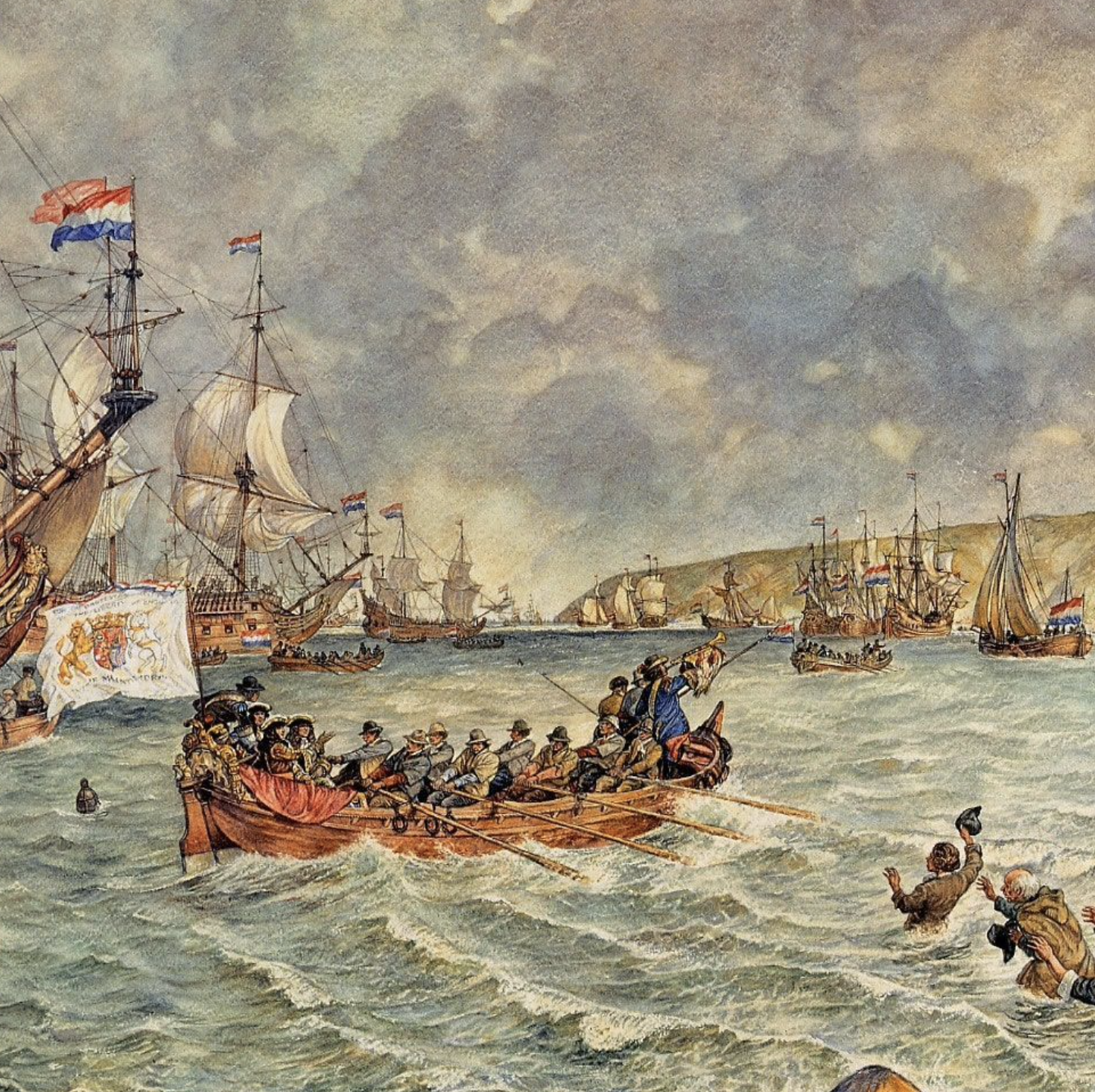
The Glorious Revolution is the term, first used in 1689, to summarise events leading to the deposition of James II and VII of England, Ireland, and Scotland in November 1688 and his replacement by his daughter Mary II and her husband, who was also James's nephew William III of Orange, de facto ruler of the Dutch Republic. Known as the Glorieuze Overtocht or Glorious Crossingin the Netherlands, it has been described both as the last successful invasion of England and as an internal coup.
William III
English Bill of Rights
created with
Free Website Builder .